Recommendations

Dr. M’s Women and Children First Podcast #118: Nicholas Kelly, RD – Hope, CF and an RD

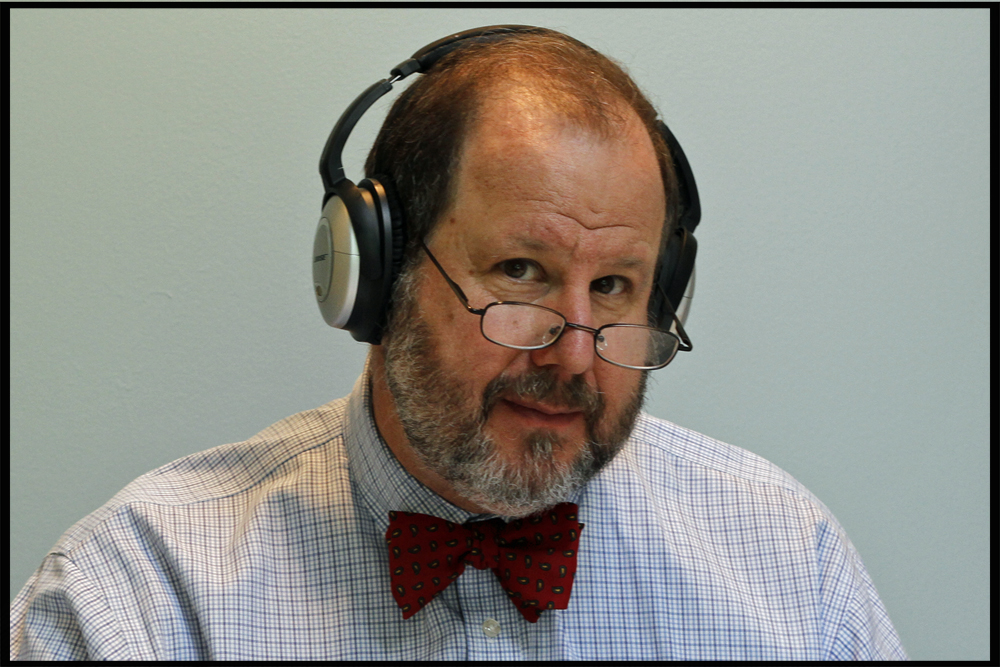
My guest today is Nicholas Kelly, a registered dietitian, speaker, and someone who has spent essentially his entire life navigating medicine from the other side of the exam table.

Nicholas was diagnosed with cystic fibrosis in infancy. That diagnosis meant growing up with a chronic disease that required constant attention: medications, treatments, nutrition, hospitalizations, and an intimate relationship with a healthcare system that most children never experience.

But what makes Nicholas’s story so compelling is what he has done with that experience, a story that has inspired me.

He ultimately became a healthcare professional himself, giving him the unusual perspective of being both clinician and lifelong patient. And through his TEDx talk, Healing Through the Human Experience, and his broader work, he has challenged clinicians to think more deeply about something that can easily get lost in modern medicine:

What does healthcare actually feel like to the person receiving it?

Our conversation moves well beyond cystic fibrosis.

We talk about resilience, identity, nutrition, the evolution of CF treatment, the patient-clinician relationship, and the moments when healthcare gets that relationship right and when it gets it very wrong.

We also explore what happens when a child who has spent his life being defined, at least partly, by a serious disease grows into an adult and begins to decide for himself what that disease will, and will not, mean for his life.

Nicholas’s story is ultimately about much more than living with cystic fibrosis.

There is an amazing story within the story about his mother. Listen and find out what she did for him.

Beautiful.

It is about living fully in the presence of uncertainty, finding purpose through adversity, and reminding those of us who practice medicine that treating disease and caring for a human being are not always the same thing.

This is my conversation with Nicholas Kelly.


Enjoy,

Dr. M

Dr. M’s SPA Newsletter Volume 16 Issue 12 – Creatine and Microbiomes


Creatine and Microbiomes

A new 2026 Cell Metabolism study explores a compelling and increasingly central idea in modern biology: the gut/brain/immune/metabolism axis is not just associative, it is mechanistic. Specifically, Dr. Lu and colleagues investigate how the gut microbiota can directly influence depressive behavior by reshaping systemic and neural metabolism. This is another in a long running list of papers describing the amazing work that bacterial commensal microbes do for us. In this case, our minds and moods.

“Although peripheral-brain crosstalk regulates energy metabolism, its role in depression remains unclear. Here, we used metabolic profiling to reveal elevated fecal creatine alongside reduced plasma and cerebrospinal fluid creatine in both patients with depression and mouse depression models. Exogenous creatine produced antidepressant-like effects mediated by gut microbiota. Bifidobacterium pseudolongum was identified as a significantly reduced gut bacterial species in depression, correlating with impaired creatine absorption. Subsequent supplementation with Bifidobacterium enhanced the antidepressant effects of creatine. Mechanistically, B. pseudolongum-derived acetate promoted the creatine transporter (Slc6a8) expression in intestinal epithelial cells via histone acetylation. The Slc6a8 mediated the antidepressant-like effects of creatine. Neuronal creatine deficiency influenced energetic metabolism and neurophysiological function. In patients with depression taking antidepressants, co-administration of creatine and Bifidobacterium increased plasma creatine levels and reduced depression scores. These findings identify the Bifidobacterium-creatine combination as a promising antidepressant strategy and highlight the critical role of gut-brain energy metabolism in depression.” “The brain, as an energy-intensive organ, relies on precise metabolic regulation to maintain synaptic plasticity, neurotransmitter synthesis, and stress response systems. Accumulating evidence implicates energy metabolism dysregulation as a hallmark of depression. Neuroimaging studies using positron emission tomography (PET) have identified marked glucose hypometabolism in the medial prefrontal cortex (mPFC) of patients with depression. Cerebral mitochondrial dysfunction and ATP imbalance have been mechanistically linked to depression progression. Notably, emerging studies emphasize the bidirectional interplay between peripheral metabolic signals and central energy regulation, which is fundamental to neural metabolism. Clinical observations such as fatigue, appetite dysregulation, and unexplained weight fluctuations in patients with depression further suggest systemic metabolic disturbances spanning peripheral organs and the CNS..” (Lu et. al. 2026)

This is next-level medicine. Mental health can no longer be framed as a disorder of genetics, experience, or circumstance alone. This work opens a clearer window, showing how the microbiome participates as an active partner, shaping brain function through the metabolites it helps produce and deliver. Compounds like creatine are no longer just peripheral players. They become signals, fuel, structure, and information, bridging gut and brain, metabolism and behavior…. and more

Enjoy,
Dr. M

Dr. M’s SPA Newsletter Volume 16 Issue 2 – School Food

School Based Nutrition – Why is it happening this way?

There is a quiet experiment happening in American childhood, and we should stop pretending it’s benign.

In the 1970s and 1980s, when I attended school, school food was far from perfect, but it existed in the context of something essential: it was mostly prepared on site, minimally processed (but changing in that direction) and not laden with additives and chemicals (Yet). Oh, and most children still ate meals prepared at home at almost every other occasion. Dinner wasn’t aspirational or Instagram-worthy, but it was routine. Real food. Cooked by someone who knew the child, at a table where nervous systems could downshift. School lunch was a supplement to that structure, not the metabolic foundation of a child’s life. That has all changed in a short 50 years. Mirroring the change in weight and childhood disease prevalence.

• 1970s – some processed foods begin to enter school cafeterias at scale
• 1980s – preservatives and additives become routine
• 1990s – ultra-processed foods dominate

In 1994, new standards were added: This table lays out how much of each food group schools were supposed to offer over a week under the 1994 standards. These were the first nutrition-focused meal standards the USDA put into place:

For Breakfast (all grades K–12):
Fruit: 2.5 cups/week
Vegetables: 0 cups/week
Grains/Bread: 0–10 oz equivalent/week (depending on combinations of grains and protein)
Meat/Meat-alternative: 0–10 oz equivalent/week
Milk: 5 cups/week

For Lunch (split by grade levels):
Fruit: K–3 also 2.5 cups; grades 4–12 get 3.75 cups/week
Vegetables: still 0 cups/week (no separate vegetable requirement yet)
Grains/Bread: at least 8 oz eq/week
Meat/Meat-alternative: 7.5 oz eq/week for breakfast; 10 oz eq/week for lunch
Milk: 5 cups/week

(Hopkins 2015)

What’s notable, reflected in the structure of this table, is that vegetables weren’t required at all yet, and the standards were very much food-group based, not ingredient-level nutrient quality checks. That created space for schools to rely on industrially produced entrées and sides that technically met volumes of grains or proteins but could still be ultra-processed products with long ingredient lists, many of these foods would meet a NOVA class 4 classification (the worst type). Think fruit cup in sugary syrup…..

Dr. M

Dr. M’s SPA Newsletter Volume 16 Issue 1 – Beyond Behaviors Part 3, Mona Delahooke, PhD

Screenshot

Chapter 3 – Individual Differences

Dr. Delahooke starts Chapter 3 by allowing Margaret Mead to remind us that each child is absolutely unique: “Always remember that you are absolutely unique. Just like everyone else.” This is more than a witty paradox, it is the hinge upon which all effective pediatric care swings. When we take individual differences seriously as neurobiological fact, we can finally stop confusing adaptive survival responses with defiance, stop labeling children as problems, and begin the real work of supporting the mind body systems that shape behavior from the inside out.

Let us review what we have learned in Beyond Behaviors so far – We are invited to descend below the waterline of the behavioral iceberg. What we see at the surface: the tantrum, withdrawal, rigidity, hyperactivity, the refusal to transition is merely a set of observable outputs from deeply personal internal variables. The sensory wiring, physiological states, immune triggers, thoughts, feelings, memories, and the child’s moment-to-moment sense of safety. Without diving into these subterranean layers, we risk treating smoke while ignoring the fire, which is the general state of current pediatric psychiatric medical therapeutics. We mostly treat the smoke. We don’t often ask about the fire. Her central thesis is simple, clinically robust, and profoundly humane:

Children behave according to the state of their nervous system, and their nervous system is shaped by individual biological, emotional, and sensory differences.

Once we understand this, behavior becomes not a moral test but a window into the child’s internal world…..

Dr. M

Dr. M’s SPA Newsletter Volume 15 Issue 26 – Back To Sleep

Back to Sleep and Sudden Infant Death Syndrome (SIDS)

Sudden Infant Death Syndrome (SIDS) is defined as “the sudden death of an infant under one year of age which remains unexplained after a thorough case investigation, including a complete autopsy, examination of the death scene, and review of the clinical history.”

During my time at the University of Virginia, I trained under neonatologist Dr. John Kattwinkel, a champion for newborn health and one of the leading figures in shaping national safe sleep policies. In the early 1990s, he chaired the American Academy of Pediatrics (AAP) Task Force on Infant Sleep Position and SIDS, which laid the foundation for the landmark Back to Sleep campaign.

At that time, SIDS claimed roughly 14 infants per 10,000 live births in 1988. Following the campaign’s launch in 1994, the rate plummeted by over 60%, reaching about 5 deaths per 10,000 live births by 2006. Despite this dramatic improvement, recent data suggest that the decline has plateaued…..

Dr. M

Dr. M’s Women and Children First Podcast #98 William Parker, PhD – Acetaminophen and Autism – What Do We Know in 2025?

Welcome to Dr. M’s Women & Children First Podcast, where we engage with pioneering voices at the intersection of science, healthcare, and the well-being of families.

Today, I’m honored to introduce Dr. William Parker, PhD. Dr. Parker is perhaps best known for discovering the function of the human appendix, but his contributions to science extend far beyond that single discovery. He studied biology and chemistry as an undergraduate before earning his PhD in Chemistry from the University of Nebraska–Lincoln in 1992. Since the 1980s, he has conducted innovative research, publishing more than 150 peer-reviewed articles that span immune function, microbiome science, and human health.

Dr. Parker was the first to compare immune systems in wild animals with those of their laboratory counterparts, and among the first to conclude that changes in the human “biota”, the symbiotic organisms living within us, brought on by modern society can contribute to depression and anxiety. After nearly three decades at Duke University, where he served as associate professor and research leader, he founded WPLab, Inc., a nonprofit dedicated to understanding and educating about the causes of chronic inflammatory diseases in high-income societies.

Currently a visiting scholar at the University of North Carolina, Dr. Parker collaborates widely with colleagues from Duke University, University of Montreal, Czech Academy of Sciences, University of Groningen, University of Colorado Boulder, and scientists across the pharmaceutical industry.

In recent years, he has turned his attention to a provocative and urgent question: the potential links between early acetaminophen exposure and autism spectrum outcomes. His current work combines mechanistic and epidemiologic approaches to explore how acetaminophen’s effects on human physiology at critical stages of development might influence neurodevelopment.

In our conversation, we’ll explore:

  • The evidence and hypotheses behind acetaminophen’s potential role in autism risk
  • What families and clinicians should know: what’s plausible, what remains speculative, and where research is heading next

I’m thrilled to share this episode with Dr. Parker, whose intellectual curiosity, scientific rigor, and courage to ask difficult questions embody the spirit of this show.

Dr. M

Dr. M’s Women and Children First Podcast #94 – Melinda Elliott, MD – Feeding the Infants

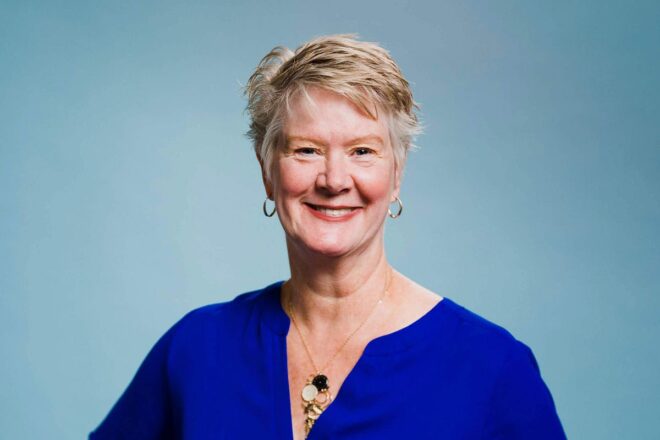
Today, we explore the intersections of cutting-edge science, compassionate care, and the future of pediatric and maternal health with Dr. Melinda Elliott, MD, FAAP, a leading neonatologist and the Chief Medical Officer at Prolacta Bioscience. Dr. Elliott has dedicated her career to advancing the care of our most vulnerable patients, premature and medically fragile infants, through both clinical excellence and research-driven innovation.

Dr. Elliott earned her medical degree from West Virginia University School of Medicine. She went on to complete her residency in pediatrics and her fellowship in neonatal-perinatal medicine at the University of Florida, where she also served as chief resident and a faculty member, helping to train the next generation of pediatricians and neonatologists.

Throughout her clinical and leadership career, Dr. Elliott has been deeply involved in advancing evidence-based care in the NICU, improving nutritional strategies for preterm infants, and advocating for human milk as a therapeutic intervention in neonatal health. Her work with Prolacta Bioscience supports NICUs around the globe in providing 100% human milk–based nutrition to reduce complications such as necrotizing enterocolitis (NEC), a devastating condition that disproportionately affects preterm infants.

Please join me in welcoming Dr. Melinda Elliott, a champion for babies and a voice for innovation in neonatal medicine.

Dr. M

1 2 … 9