Tag Archives: prevention

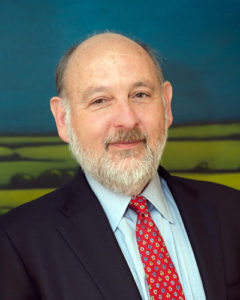
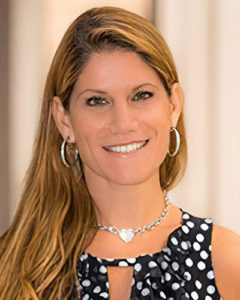
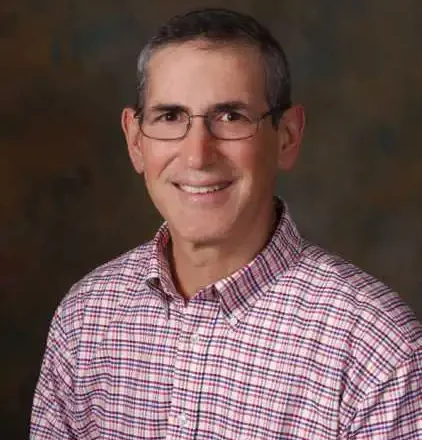
Dr. M’s Women and Children First Podcast #64 – Dan Shapiro, Ph.D. – Provider Burnout

Dan Shapiro is a man on a mission to help physicians, other providers and the medical healthcare administrators understand the reality of healthcare provider burnout. He is currently the Director of the Chartis Center for Burnout Solutions, where he and his team assist leaders of multi-hospital systems with efforts to reduce burnout and the turnover of high-value physicians, nurses, advanced practice providers, and other staff.

Dan’s education goes back to my alma mater, Vassar College. He graduated with a BA in Psychology before going to the University of Florida for his doctorate in clinical psychology. He completed a post doctoral degree in Medical Crisis Interventions at Harvard University. He held faculty positions at the University of Arizona as well as at Penn State rising to the Chair and Professor of Humanities at Penn State College of Medicine. In 2017, he developed a systematic method for assessing and addressing burnout leading to consulting services focused on multi-hospital systems. In 2023, he left his role as Vice Dean and Chair to pursue the reduction of burnout full time with colleagues at Chartis.

Dan is a frequent contributor to thought leadership in the physician burnout space. In 2003, Random House published his landmark memoir about one physician’s burnout, titled, “Delivering Doctor Amelia,” which was required reading at some colleges and medical schools. He’s written two other books, also for Random House. Dan’s additional writings have appeared or been featured in, among others, the New York Times, Proceedings of the National Academies of Science, the New England Journal of Medicine, JAMA, Academic Medicine, and NPR’s All Things Considered.

As a hobby, he worked for ten years as a weekly consultant to the hit television shows Grey’s Anatomy, Private Practice, How to Get Away with Murder and on-camera for the Discovery, National Geographic, and FYI channels.

Please enjoy my conversation with Dan Shapiro,

Dr. M

Dr. M’s SPA Newsletter Audiocast Volume 14 Issue 1

Literature Reviews have been very popular. Thus, 2024 will start with science update.

1) Time restricted eating patterns are known to help physiology and metabolism by initiating a pause in the action of mTOR and muscle synthesis as well as inducing autophagy. Autophagy is critical to the clearance of broken or damaged cells following injury or disease. How does circadian biology play into this reality? From Cell Metabolism: “Circadian disruptions impact nearly all people with Alzheimer’s disease….plus a discussion on water, dehydration and prevention as well as a recipe of the week.
Enjoy,
Dr. M

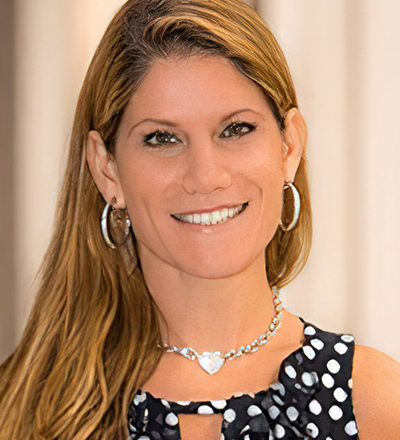
Dr. M’s Women and Children First Podcast #61 – Bridget Briggs, M.D. – Hope and Epigenetics Part 3

This is the third story of hope for us as a species. We have a level of control over our outcome that is baked into our DNA.
Bridget R. Briggs, M.D. and I sit down today to discuss the clinical approach to epigenetics in patients especially women. She is a physician who specializes in Women’s Health. Dr. Briggs received her undergraduate degree from the University of California Los Angeles in Psychobiology. She then completed her medical degree from University of California San Diego School of Medicine before completing her residency in family medicine as well as internship in Obstetrics and gynecology. She has been in practice for 25 years in Southern California. She is the owner of two family medicine practices in California where she specializes in functional medicine and womens health. She is a well known speaker and educator on the topics of epigenetics and methylation in humans.
Her story is personal regarding her deep dive into epigenetics and health based on her family’s history and experiences to date. We take a winding road looking at the clinical applications of epigenetic understandings as laid out by the experts and trailblazers of DNA methylation and phenotypic change in animals and humans. We get into some controversial topics including vaccination, preparation for, avoidance of and much more. The conversation is open, honest and thoughtful. We finish with a hard look at the pregnancy state and how to achieve optimal outcomes for our offspring. It is another story of hope for humanity.
Please enjoy my conversation with Dr. Bridget Briggs,
Dr. M


Dr. M’s SPA Newsletter Audiocast Volume 13 Issue 50

Literature Review
1) Pericytes are critical cells that sit around the tiny blood vessels called capillaries of the body especially in the brain. They are involved in regulating blood vessel activity. They communicate directly with the endothelial cells making them super important in the activity of the blood vessel and metabolism at the local tissue interface. From the journal Cell Death and Disease we see: “Crosstalk mechanisms….And some other discussions on Cancer detection at physicals as well as the recipe of the week.
Enjoy,
Dr. M

Dr. M’s SPA Newsletter Audiocast Volume 13 Issue 49

Respiratory Syncytial Virus
RSV is a 150 nanometer RNA virus that comes from a human orthopneumovirus that circulates in the winter primarily. Young children and infants infected with RSV mostly have upper respiratory tract symptoms where a subset develop lower respiratory tract disease known as bronchiolitis with the primary infection. It is the most common reason for hospitalization in infants between 0 and 6 months of age. Bronchiolitis appears as a wheezy, cough centric illness that rarely may progress to increased respiratory effort noted by wheezing, rales (lung crackles – sounds like stepping on leaves), chest wall rib retractions, grunting, fast breathing, nasal flaring and eventually respiratory hypoxia. If it persists, the event can rarely lead to respiratory collapse and death. Annually, 150 children under 5 years of age die from RSV in the US. Most of these children are premature births and have cardiopulmonary disease issues. Term healthy children rarely succumb to RSV in a serious way. A recent study of German infants and children hospitalized with RSV identified these risk factors: age <6 months, birth at 28–37 weeks gestational age, congenital defects, perinatal respiratory and cardiovascular disorders, and various other comorbidities as significant risk factors for ICU admission and death. ( Cai et. al. 2020) plus a mini lit review and a discussion on thanksgiving.
Enjoy
Dr. M

Dr. M’s Women and Children First Podcast #60 – Moshe Szyf, Ph.D. – Hope and Epigenetics Part 2

This week’s guest is Professor Moshe Szyf.
This is the second story of hope for us as a species. We have a level of control over our outcome that is baked into our DNA.
Dr. Moshe Szyf joins the show today to discuss the social programming of the epigenome. Dr. Szyf and his colleague Dr. Meaney proposed over two decades ago the first set of evidence that the “social environment” early in life can alter DNA methylation launching the emerging field of “social epigenetics”. He also has illustrated that DNA methylation is a prime therapeutic target in cancer and other diseases to be explored and potentially manipulated for health.
“Together, they discovered that our genetic code, the actual sequential structure of our DNA, can pretty much shrug off the influence of any external environmental factors, short of massive radiation. However, the expression of individual genes within that sequence can be permanently altered by such seemingly innocuous influences as diet or how others treat us. Once triggered, a group of molecules called a methyl group attaches itself to the control centre of a gene, permanently switching on or off the manufacture of proteins that are essential to the workings of every cell in our body. In most tumours, this DNA methylation pattern has been knocked awry, leading to a gene being completely deactivated or triggered to abnormally high activity.” (McGill Reporter)
Dr. Szyf received his Ph. D from the Hebrew University and did his postdoctoral fellowship in Genetics at Harvard Medical School before he joined the department of Pharmacology and Therapeutics at McGill University in Montreal, Canada. He currently holds the James McGill Professorship in Pharmacology. He is the founding co-director of the Sackler Institute for Epigenetics and Psychobiology at McGill and is a Fellow of the Canadian Institute for Advanced Research Experience-based Brain and Biological Development program. Szyf has been the founder of the first “Pharma” to develop epigenetic pharmacology “Methylgene Inc.” and the first journal in epigenetics “Epigenetics”.
Please enjoy my conversation with Dr. Moshe Szyf,
Enjoy,
Dr. M

Dr. M’s SPA Newsletter Audiocast Volume 13 Issue 46

Delaying Gratification and Dopamine
When we think of our current societal view on raising children, we have a conundrum. We want our children to experience the world as it is progressing through a technological viewpoint, a growth mentality. What does that mean? . When technology enters the learning process, we progress at log rates. We can process more information and incorporate it into our memory. For a simple example, let’s look back in time. When I was in school, I had to go to the library and search through the library’s archaic dewey decimal system to find a book to reference for information for a project or assignment. Time wasting to say the least compared to the internet age. It took forever to accumulate old data that was in a book. No real time action…Also a mini literature review and a recipe of the week.
Enjoy,
Dr. M