
Tag Archives: prevention

Dr. M’s Women and Children First Podcast #114: Aimie Apigian, MD – Biology of Trauma

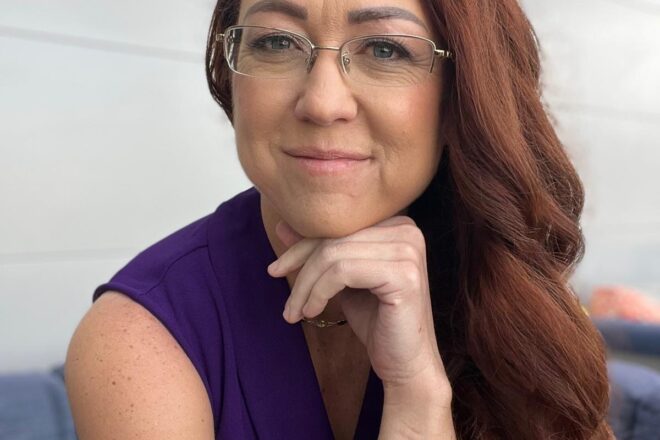
Today’s podcast guest is Dr. Aimie Apigian, a physician who has become one of the leading voices in helping us understand the biology of trauma.

Dr. Aimie is double board-certified in Preventive Medicine and Addiction Medicine, with advanced training in biochemistry, public health, and functional medicine. She earned her medical degree from Loma Linda University, where her education also included behavioral health, child psychiatric therapy, play therapy, and addiction family counseling. Before medical school, she studied Cell and Molecular Biology at the University of Washington, where she worked in the laboratory of renowned cancer researcher Dr. Larry Loeb.

She is the national bestselling author of The Biology of Trauma, featuring a foreword by Dr. Gabor Maté. The book has appeared on the USA TODAY Best-Selling Book List and has received multiple national book awards.

What makes Dr. Aimie’s work unique is her ability to bridge neuroscience, functional medicine, attachment science, and trauma therapy into a practical framework that explains how our bodies store survival patterns after stress and adversity. Rather than viewing trauma as simply a psychological experience, she teaches that it is a biological state—one that can be identified, measured, and, importantly, healed.

She is the creator of the Biology of Trauma® framework, which integrates somatic therapies, parts work, nervous system regulation, and targeted biological interventions into a structured sequence designed to restore the body’s innate capacity for healing. She is also the founder of Trauma Healing Accelerated™ and the host of the popular Biology of Trauma® Podcast, where she has educated thousands of clinicians and individuals around the world.

Today, we’re going to explore what trauma actually is from a biological perspective, how it influences immune function, metabolism, chronic disease, and childhood development, and perhaps most importantly, what it truly takes to move from surviving to thriving.

Dr. M

Dr. M’s SPA Newsletter Volume 16 Issue 14 – The Adult Chair


The Adult Chair, the Adolescent Chair and the Child’s Chair

The Adult Chair by Michelle Chalfant is a practical framework for emotional maturity, self-awareness, and healing old patterns that unconsciously drive adult behavior. The central premise is that most people move through life reacting not from their grounded adult self, but from unresolved emotional states formed during childhood and adolescence. She organizes this idea into what she calls the “three chairs”: the Child Chair, the Adolescent Chair, and the Adult Chair.

The Child Chair represents the emotional self formed in early childhood. This is the place of vulnerability, fear, shame, abandonment, loneliness, and unmet needs. When people react from this chair, they often feel helpless, emotionally flooded, overly dependent on validation, or afraid of rejection. Many adult relationship conflicts, according to Chalfant, are actually wounded children (in adult bodies) interacting with each other while wearing grown-up clothing and carrying iPhones. Same child like nervous system. Better accessories. Think of the statement: lipstick on a pig, you cannot dress up dysfunction and make it disappear.

The Adolescent Chair reflects the defensive coping strategies people develop to protect the wounded child. This includes control, perfectionism, blame, avoidance, rebellion, people-pleasing, passive aggression, and emotional shutdown. The adolescent self seeks power and protection but often creates disconnection and conflict. Chalfant argues that many high-achieving adults unknowingly operate from this chair, appearing successful externally while internally driven by fear, insecurity, or the need for approval.

The Adult Chair is the goal….

Enjoy,
Dr. M

Dr. M’s SPA Newsletter Volume 16 Issue 13 – Birth Order


Birth Order

Birth Order Is Biology, Not Birthright – so says a new paper in MedRxIV (Kramer et. al. 2026)

Here is a short field guide to how sequence shapes the immune system, and maybe the brain in children.

We’ve treated birth order like personality trivia.
First-borns are “responsible.” Youngest are “free spirits.” Middle children… well, we forgot them.

This paper suggests something more interesting: birth order is a biologic exposure.
Not destiny. Not diagnosis. But signal.

Across a very large dataset, the researchers mapped birth order against hundreds of diseases. The effects are small for any single child. But the pattern is consistent at a population level.
Children are not born into identical biology, even within the same family.
Each pregnancy changes the mother. Meaningfully. Immunologically. Successively.
Each fetus inherits a slightly different environment.
Epigenetics in full swing.
It turns out that sequence matters.

What Changes Across Pregnancies?

Three levers move, quietly, predictably:

1) The Maternal Immune System Learns
Pregnancy is not passive. It is negotiation. The first pregnancy = naïve immune system learning tolerance. Subsequent pregnancies = trained, adapted immune responses
That training alters: cytokine tone, antibody profiles, placental signaling
The fetus is downstream of all of it.

2) The Placenta Is Not a Copy-Paste Organ…
Dr. M

Dr. M’s SPA Newsletter Volume 16 Issue 12 – Creatine and Microbiomes


Creatine and Microbiomes

A new 2026 Cell Metabolism study explores a compelling and increasingly central idea in modern biology: the gut/brain/immune/metabolism axis is not just associative, it is mechanistic. Specifically, Dr. Lu and colleagues investigate how the gut microbiota can directly influence depressive behavior by reshaping systemic and neural metabolism. This is another in a long running list of papers describing the amazing work that bacterial commensal microbes do for us. In this case, our minds and moods.

“Although peripheral-brain crosstalk regulates energy metabolism, its role in depression remains unclear. Here, we used metabolic profiling to reveal elevated fecal creatine alongside reduced plasma and cerebrospinal fluid creatine in both patients with depression and mouse depression models. Exogenous creatine produced antidepressant-like effects mediated by gut microbiota. Bifidobacterium pseudolongum was identified as a significantly reduced gut bacterial species in depression, correlating with impaired creatine absorption. Subsequent supplementation with Bifidobacterium enhanced the antidepressant effects of creatine. Mechanistically, B. pseudolongum-derived acetate promoted the creatine transporter (Slc6a8) expression in intestinal epithelial cells via histone acetylation. The Slc6a8 mediated the antidepressant-like effects of creatine. Neuronal creatine deficiency influenced energetic metabolism and neurophysiological function. In patients with depression taking antidepressants, co-administration of creatine and Bifidobacterium increased plasma creatine levels and reduced depression scores. These findings identify the Bifidobacterium-creatine combination as a promising antidepressant strategy and highlight the critical role of gut-brain energy metabolism in depression.” “The brain, as an energy-intensive organ, relies on precise metabolic regulation to maintain synaptic plasticity, neurotransmitter synthesis, and stress response systems. Accumulating evidence implicates energy metabolism dysregulation as a hallmark of depression. Neuroimaging studies using positron emission tomography (PET) have identified marked glucose hypometabolism in the medial prefrontal cortex (mPFC) of patients with depression. Cerebral mitochondrial dysfunction and ATP imbalance have been mechanistically linked to depression progression. Notably, emerging studies emphasize the bidirectional interplay between peripheral metabolic signals and central energy regulation, which is fundamental to neural metabolism. Clinical observations such as fatigue, appetite dysregulation, and unexplained weight fluctuations in patients with depression further suggest systemic metabolic disturbances spanning peripheral organs and the CNS..” (Lu et. al. 2026)

This is next-level medicine. Mental health can no longer be framed as a disorder of genetics, experience, or circumstance alone. This work opens a clearer window, showing how the microbiome participates as an active partner, shaping brain function through the metabolites it helps produce and deliver. Compounds like creatine are no longer just peripheral players. They become signals, fuel, structure, and information, bridging gut and brain, metabolism and behavior…. and more

Enjoy,
Dr. M

Dr. M’s SPA Newsletter Volume 16 Issue 4 – Relationships

Screenshot

Literature Review:

A) “Establishment of the gut microbiome during early life is a complex process with lasting implications for an individual’s health. Several factors influence microbial assembly; however, breast-feeding is recognized as one of the most influential drivers of gut microbiome composition during infancy, with potential implications for function. Differences in gut microbial communities between breast-fed and formula-fed infants have been consistently observed and are hypothesized to partially mediate the relationships between breast-feeding and decreased risk for numerous communicable and noncommunicable diseases in early life. Despite decades of research on the gut microbiome of breast-fed infants, there are large scientific gaps in understanding how human milk has evolved to support microbial and immune development.” (Davis et. al. 2022)

Main Takeaways:

First 1000 days matter a lot for microbial and immune development: Infancy is a critical window when the gut microbiome is assembled and the immune system is learning to respond to microbes and external exposures. Patterns set early can ripple into infection risk, inflammatory diseases, and atopy later in life.

Enjoy,
Dr. M

Dr. M’s SPA Newsletter Volume 16 Issue 1 – Beyond Behaviors Part 3, Mona Delahooke, PhD

Screenshot

Chapter 3 – Individual Differences

Dr. Delahooke starts Chapter 3 by allowing Margaret Mead to remind us that each child is absolutely unique: “Always remember that you are absolutely unique. Just like everyone else.” This is more than a witty paradox, it is the hinge upon which all effective pediatric care swings. When we take individual differences seriously as neurobiological fact, we can finally stop confusing adaptive survival responses with defiance, stop labeling children as problems, and begin the real work of supporting the mind body systems that shape behavior from the inside out.

Let us review what we have learned in Beyond Behaviors so far – We are invited to descend below the waterline of the behavioral iceberg. What we see at the surface: the tantrum, withdrawal, rigidity, hyperactivity, the refusal to transition is merely a set of observable outputs from deeply personal internal variables. The sensory wiring, physiological states, immune triggers, thoughts, feelings, memories, and the child’s moment-to-moment sense of safety. Without diving into these subterranean layers, we risk treating smoke while ignoring the fire, which is the general state of current pediatric psychiatric medical therapeutics. We mostly treat the smoke. We don’t often ask about the fire. Her central thesis is simple, clinically robust, and profoundly humane:

Children behave according to the state of their nervous system, and their nervous system is shaped by individual biological, emotional, and sensory differences.

Once we understand this, behavior becomes not a moral test but a window into the child’s internal world…..

Dr. M

Dr. M’s Women and Children First Podcast #104: Maeve O’Connor, MD – Allergy and Immune Literacy


Today, I’m joined by Dr. Maeve O’Connor, a board-certified allergist and immunologist practicing in Charlotte, North Carolina.
Dr. O’Connor’s training reflects both rigor and range. She completed dual undergraduate degrees at the University of South Carolina Honors College with a Bachelor of Science in Biology and a Bachelor of Arts in Spanish before earning her medical degree at the University of South Carolina School of Medicine. She then completed her internship and residency at the University of Texas and its affiliated hospitals in Houston, where she served as Chief Medical Resident.

Her subspecialty training in Allergy and Immunology was completed at the National Jewish Medical and Research Center in Denver consistently ranked the number one respiratory hospital in the United States where she developed deep expertise in asthma, allergic disease, and immune dysregulation. She further expanded her clinical lens through fellowship training in Integrative Medicine at the University of Arizona from 2013 to 2015.

Clinically, Dr. O’Connor works at the intersection of pediatrics, immunology, and real family life where eczema isn’t just a rash, food reactions aren’t just labels, and immune symptoms rarely fit neatly into algorithmic boxes. Her work emphasizes careful diagnosis, evidence-based treatment, and avoiding both over-medicalization and missed pathology.

In a time when allergy medicine is often reduced to test results and avoidance lists, Dr. O’Connor brings a grounded, thoughtful approach helping families and clinicians distinguish what’s truly allergic, what’s inflammatory, what’s developmental, and what’s simply noise.

Today, we’ll explore how allergic disease actually presents in children, why mislabeling is so common, how early immune signals shape long-term health, and how pediatricians and specialists can collaborate more effectively without fear-based medicine.

This is a conversation about immune literacy, clinical nuance, and doing better for children in a world where their immune systems are under increasing pressure.

I’m excited to welcome Dr. Maeve O’Connor.

Dr. M

1 2 28