Infant/Toddler Pedcasts

Dr. M’s Women and Children First Podcast #98 William Parker, PhD – Acetaminophen and Autism – What Do We Know in 2025?

Welcome to Dr. M’s Women & Children First Podcast, where we engage with pioneering voices at the intersection of science, healthcare, and the well-being of families.

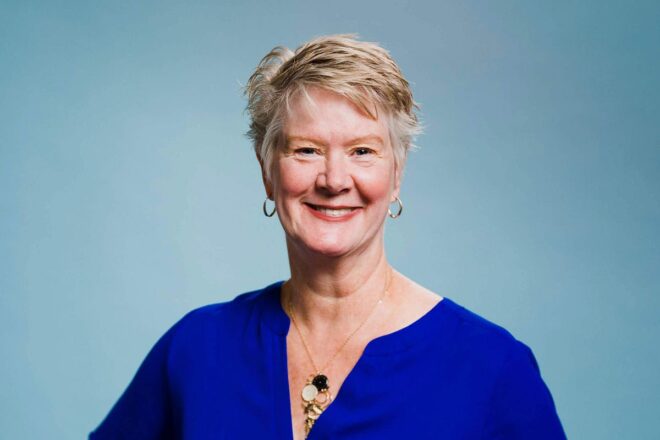
Today, I’m honored to introduce Dr. William Parker, PhD. Dr. Parker is perhaps best known for discovering the function of the human appendix, but his contributions to science extend far beyond that single discovery. He studied biology and chemistry as an undergraduate before earning his PhD in Chemistry from the University of Nebraska–Lincoln in 1992. Since the 1980s, he has conducted innovative research, publishing more than 150 peer-reviewed articles that span immune function, microbiome science, and human health.

Dr. Parker was the first to compare immune systems in wild animals with those of their laboratory counterparts, and among the first to conclude that changes in the human “biota”, the symbiotic organisms living within us, brought on by modern society can contribute to depression and anxiety. After nearly three decades at Duke University, where he served as associate professor and research leader, he founded WPLab, Inc., a nonprofit dedicated to understanding and educating about the causes of chronic inflammatory diseases in high-income societies.

Currently a visiting scholar at the University of North Carolina, Dr. Parker collaborates widely with colleagues from Duke University, University of Montreal, Czech Academy of Sciences, University of Groningen, University of Colorado Boulder, and scientists across the pharmaceutical industry.

In recent years, he has turned his attention to a provocative and urgent question: the potential links between early acetaminophen exposure and autism spectrum outcomes. His current work combines mechanistic and epidemiologic approaches to explore how acetaminophen’s effects on human physiology at critical stages of development might influence neurodevelopment.

In our conversation, we’ll explore:

  • The evidence and hypotheses behind acetaminophen’s potential role in autism risk
  • What families and clinicians should know: what’s plausible, what remains speculative, and where research is heading next

I’m thrilled to share this episode with Dr. Parker, whose intellectual curiosity, scientific rigor, and courage to ask difficult questions embody the spirit of this show.

Dr. M

Dr. M’s SPA Newsletter Volume 15 Issue 18

Breastmilk is Dynamic

Cellular and transcriptional diversity over the course of human lactation

This recent 2022 paper in the Proceedings of the National Academy of Sciences by Dr. Nyqiust and colleagues is a site for sore eyes.

It offers a remarkable, high-resolution portrait of how the cellular landscape of human breast milk (hBM) shifts over time. The authors capture something both scientifically rich and uniquely human: the dynamic, living composition of milk as it adapts to the changing needs of mother and child.

The abstract: “Human breast milk is a dynamic fluid that contains millions of cells, but their identities and phenotypic properties are poorly understood. We generated and analyzed single-cell RNA-sequencing (scRNA-seq) data to characterize the transcriptomes of cells from hBM across lactational time from 3 to 632 d postpartum in 15 donors. We found that the majority of cells in hBM are lactocytes, a specialized epithelial subset, and that cell-type frequencies shift over the course of lactation, yielding greater epithelial diversity at later points. Analysis of lactocytes reveals a continuum of cell states characterized by transcriptional changes in hormone-, growth factor-, and milk production-related pathways. Generalized additive models suggest that one subcluster, LC1 epithelial cells, increases as a function of time postpartum, daycare attendance, and the use of hormonal birth control. We identify several subclusters of macrophages in hBM that are enriched for tolerogenic functions, possibly playing a role in protecting the mammary gland during lactation. Our description of the cellular components of breast milk, their association with maternal–infant dyad metadata, and our quantification of alterations at the gene and pathway levels provide a detailed longitudinal picture of hBM cells across lactational time. This work paves the way for future investigations of how a potential division of cellular labor and differential hormone regulation might be leveraged therapeutically to support healthy lactation and potentially aid in milk production.” (Nyquist et. al. 2022)

And more information on breastmilk immunology and a recipe.

Dr. M

Dr. M’s SPA Newsletter Volume 15 Issue 15

Systemic Maternal Inflammation and Neurodevelopment: The Role of IL-6 and IFN-γ in Autism Spectrum Disorder

I just returned from Estes Park, Colorado where I presented a lecture on the Growing Brain/Mind – a tour through the underpinnings of childhood neurological changes that we call Autism. The timing is perfect for this article to be written.

In an era when chronic disease in children is rising at an unprecedented pace, the search for root causes must include an honest inquiry into the conditions present during fetal development. The review article by Majerczyk and colleagues, Systemic Maternal Inflammation Promotes ASD via IL-6 and IFN-γ, brings forward a critical piece in this puzzle that I began to explore a few years ago when writing a book. It connects the dots between maternal immune dysregulation and long-term neurodevelopmental outcomes, specifically autism spectrum disorder (ASD). Through a synthesis of clinical data and animal research, the authors make a compelling case for the centrality of two inflammatory messengers, interleukin-6 (IL-6) and interferon-gamma (IFN-γ), in shaping fetal brain development during gestational stress. The key words here being GESTATIONAL STRESS, the recurring scientific theme for ASD development, not vaccines… and some literature reviews.

Dr. M

Dr. M’s Women and Children First Podcast #94 – Melinda Elliott, MD – Feeding the Infants

Today, we explore the intersections of cutting-edge science, compassionate care, and the future of pediatric and maternal health with Dr. Melinda Elliott, MD, FAAP, a leading neonatologist and the Chief Medical Officer at Prolacta Bioscience. Dr. Elliott has dedicated her career to advancing the care of our most vulnerable patients, premature and medically fragile infants, through both clinical excellence and research-driven innovation.

Dr. Elliott earned her medical degree from West Virginia University School of Medicine. She went on to complete her residency in pediatrics and her fellowship in neonatal-perinatal medicine at the University of Florida, where she also served as chief resident and a faculty member, helping to train the next generation of pediatricians and neonatologists.

Throughout her clinical and leadership career, Dr. Elliott has been deeply involved in advancing evidence-based care in the NICU, improving nutritional strategies for preterm infants, and advocating for human milk as a therapeutic intervention in neonatal health. Her work with Prolacta Bioscience supports NICUs around the globe in providing 100% human milk–based nutrition to reduce complications such as necrotizing enterocolitis (NEC), a devastating condition that disproportionately affects preterm infants.

Please join me in welcoming Dr. Melinda Elliott, a champion for babies and a voice for innovation in neonatal medicine.

Dr. M

Dr. M’s SPA Newsletter Volume 15 Issue 14

As I have told many of my patients, I would write immediately when NC sees its first Measles case.

Well, North Carolina has its first measles case: The North Carolina Department of Health and Human Services has confirmed a case of measles in a child who was visiting Forsyth and Guilford counties. The child became ill while traveling to NC from another country where measles outbreaks have recently been reported. To protect the individual and their family’s privacy, no additional information about this individual will be released. This is the first confirmed case of measles in the state in 2025. NCDHHS is recommending all unvaccinated individuals ages one year and older receive measles vaccination to protect themselves and those around them. (NCDHHS)

So, it is finally in NC. If you are still on the fence of whether to vaccinate, the issue is now truly pressing.

From the CDC:

U.S. Hospitalizations in 2025

12% of cases hospitalized (148 of 1227)

Percent of Age Group Hospitalized

Under 5 years: 20% (72 of 355 cases) 50% of the total hospitalized. Highest risk bucket.

5-19 years: 8% (35 of 455)

20+ years: 10% (40 of 404)

Age unknown: 8% (1 of 13)

Deaths 3

And a story on Insurance Hell.

Enjoy,
Dr. M

Dr. M’s Women and Children First Podcast #89 – Trenna Sutcliffe, MD – Autism and Development

Today we are joined by a remarkable guest, Dr. Trenna Sutcliffe, a board-certified developmental-behavioral pediatrician and the founder of the Sutcliffe Clinic in the San Francisco Bay Area. Her educational history is impressive. She completed her undergraduate education in Molecular Biology and Medical Genetics followed by a masters degree in Biophysics at The University of Toronto. She obtained her Medical degree at McMaster University before her pediatric residency and training finished at the Hospital for Sick Children in Toronto. And oh by the way, she then did a year of pediatric Neurology residency and a Fellowship in Developmental Pediatrics. And finally, another Masters degree in Epidemiology at Stanford University. Thus, her educational path has allowed her to see the developmental landscape through a wider lens covering many disciplines. Dr. Sutcliffe started the first Developmental Pediatrics Clinic at Stanford and played the role of trailblazer throughout her career.

With over 25 years of experience, Dr. Sutcliffe specializes in supporting children with autism, ADHD, and anxiety, offering a multidisciplinary approach to diagnosis and treatment. In this episode, she’ll share her insights on the rising prevalence of these conditions, the importance of personalized care, and practical strategies for parents navigating developmental challenge. Fundamentally, Dr. Sutcliffe is a going to educate us on a better way to deliver whole person care to the developmentally challenged and beautiful children of this country.

Two words encapsulate her work: empowering and thoughtful.

Let’s dive into this conversation with Dr. Sutcliffe to learn how we can help our children thrive!

Dr. M

Dr. M’s Women and Children First Podcast #84 – Francis Koster Ed.D

Today, we have an extraordinary guest joining us—Dr. Francis Koster, a man who has spent decades uncovering the invisible forces that shape our environment and, ultimately, our health.

Dr. Koster is the founder of Pollution Detectives, an initiative that combines data-driven science, community collaboration, and advocacy to address environmental issues that impact the air we breathe, the water we drink, and the ecosystems that support our lives. With a focus on actionable solutions, Dr. Koster empowers communities to identify and combat environmental risks, especially those affecting children, who are often the most vulnerable to pollutants.

Through his tireless work, Dr. Koster has inspired countless individuals to take charge of their surroundings and has highlighted the profound connection between environmental stewardship and public health. Today, we’ll dive into his groundbreaking efforts, the stories behind the data, and how we can all become part of the solution to ensure a healthier, safer future for the next generation.

So, without further ado, let’s welcome the innovative and inspiring Dr. Francis Koster to the show!

Enjoy,

Dr. M

Pollution Detectives