Physiology

Dr. M’s SPA Newsletter Volume 16 Issue 1 – Beyond Behaviors Part 3, Mona Delahooke, PhD

Screenshot

Chapter 3 – Individual Differences

Dr. Delahooke starts Chapter 3 by allowing Margaret Mead to remind us that each child is absolutely unique: “Always remember that you are absolutely unique. Just like everyone else.” This is more than a witty paradox, it is the hinge upon which all effective pediatric care swings. When we take individual differences seriously as neurobiological fact, we can finally stop confusing adaptive survival responses with defiance, stop labeling children as problems, and begin the real work of supporting the mind body systems that shape behavior from the inside out.

Let us review what we have learned in Beyond Behaviors so far – We are invited to descend below the waterline of the behavioral iceberg. What we see at the surface: the tantrum, withdrawal, rigidity, hyperactivity, the refusal to transition is merely a set of observable outputs from deeply personal internal variables. The sensory wiring, physiological states, immune triggers, thoughts, feelings, memories, and the child’s moment-to-moment sense of safety. Without diving into these subterranean layers, we risk treating smoke while ignoring the fire, which is the general state of current pediatric psychiatric medical therapeutics. We mostly treat the smoke. We don’t often ask about the fire. Her central thesis is simple, clinically robust, and profoundly humane:

Children behave according to the state of their nervous system, and their nervous system is shaped by individual biological, emotional, and sensory differences.

Once we understand this, behavior becomes not a moral test but a window into the child’s internal world…..

Dr. M
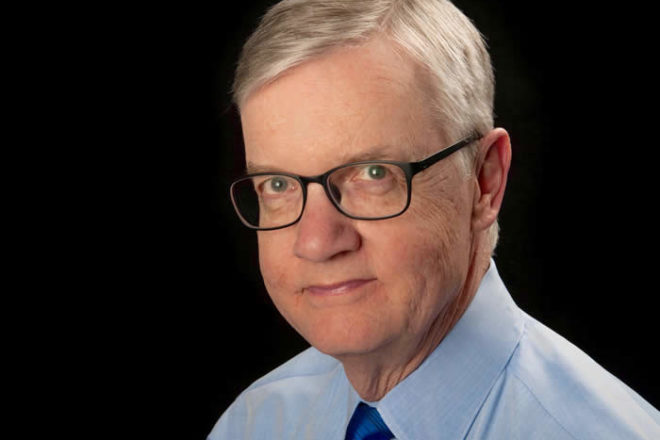
Dr. M’s Women and Children First Podcast #63 – David Clarke, M.D. – Pain, Psychology and Trauma

This weeks guest is Dr. David D. Clarke. Dr. Clarke is President of the Psychophysiologic Disorders Association where he teaches the science of the mind body connection as it relates to GI related diseases that do not fit a traditional diagnostic nor pathological framework. For three plus decades, he conducted detailed interviews with over 7000 people whose symptoms were not explained by diagnostic testing, but were significantly affecting their lives in a negative way. He realized that these individuals often suffered from severe traumas in childhood that built the foundation of current health struggles. We dive into his work and the successes built upon the recognition of, intervention for and resolution related to the issues and physiological manifestations of disease.

Dr. Clarke graduated from Williams College with honors before attending the University of Connecticut School of Medicine where he received his medical degree and the Mosby Award for Clinical Excellence.  He completed internship and residency in Internal Medicine and fellowship in Gastroenterology at Harbor/UCLA Medical Center in Los Angeles. Dr. Clarke has lectured extensively on Psychophysiologic Disorders to specialists and the public across North America and Europe. He has appeared on syndicated broadcasts hosted by Rosie O’Donnell, by Montel Williams and by Michael Roizen(author of You: The Owner’s Manual).

He is the Author of “They Can’t Find Anything Wrong” and co-author of “A Diagnostic Guide for Psychophysiological Disorders” and Psychophysiologic Disorders”.

Please enjoy my conversation with Dr. David Clarke,

Dr. M

Dr. M’s SPA Newsletter Volume 11 Issue 24

Did you ever suffer from a cold sore caused by the herpes virus? If so, this audio newsletter is for you. We go through all of the current data regarding cause and treatment.

Herpes Labialis is a common recurrent irritation for many children and parents alike. The Red Book, the bible of pediatric Infectious diseases, is the best resource for understanding Herpes viral infections. There are 8 primary herpes viruses that infect humans including: herpes simplex virus 1 (HSV1), herpes simplex virus 2 (HSV2), varicella-zoster virus, Epstein-Barr virus, cytomegalovirus, Human herpesvirus-6, Human herpesvirus-7, and Kaposi’s sarcoma herpes virus……

Read More at https://www.salisburypediatrics.com/patient-education/dr-magryta-s-newsletter/955-volume-11-letter-24

Best,

Dr. M


Protected: 6 Bewildering Symptoms That Parents of Newborns Don’t Expect (Pedcast)

This content is password-protected. To view it, please enter the password below.

Protected: Can You Prevent Your Children From Needing Eye Glasses? (Archived Pedcast)

This content is password-protected. To view it, please enter the password below.

Protected: Grandma Right–Can Cold Weather Cause Pneumonia? (Archived Pedcast)

This content is password-protected. To view it, please enter the password below.

Protected: Got a Clue What Makes Your Sick Child Get a Fever? (Updated Pedcast)

This content is password-protected. To view it, please enter the password below.

1 2 5