mental health

Dr. M’s Women and Children First Podcast #112: Mona Delahooke, PhD – Beyond Behaviors


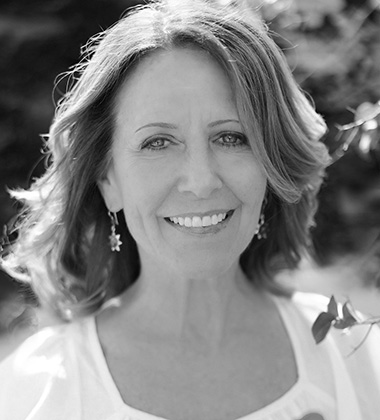
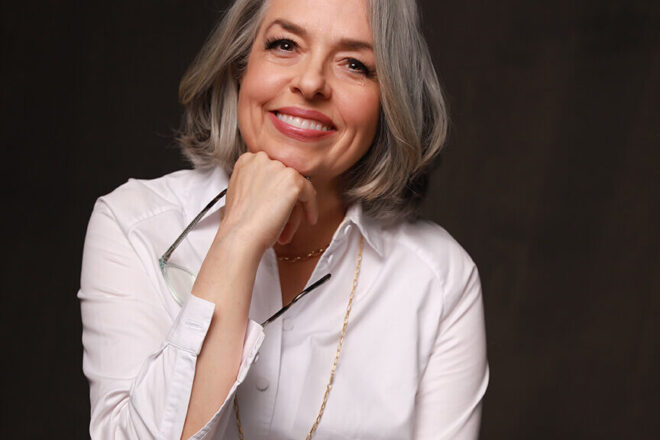
Today on Dr. M’s Women and Children First, we welcome one of the most important voices in modern child development and behavioral science, Mona Delahooke.

Dr. Delahooke is a licensed clinical psychologist, internationally recognized speaker, and the author of groundbreaking books including Beyond Behaviors and Brain-Body Parenting. Her work challenges one of the deepest assumptions in modern parenting and education: that difficult behaviors are simply choices to be corrected. Instead, she invites us to ask a radically different question, what is the nervous system trying to communicate?

This conversation sits right at the crossroads of neuroscience, attachment theory, polyvagal theory, developmental psychology, and the lived experience of parenting. In many ways, Mona’s work gives language to something clinicians and parents often feel intuitively but struggle to articulate: behavior is not merely compliance or defiance, behavior is biology expressed through the body.

We explore how stress physiology, early attachment, sensory processing, trauma, neurodivergence, and autonomic nervous system states shape the way children interact with the world around them. We discuss why punishment-based models often fail vulnerable children, how “bad behavior” may actually represent adaptive survival responses, and why safety and connection are foundational to learning, resilience, and emotional regulation.

For me personally, this conversation resonates deeply with the broader themes we often discuss on this podcast, the interaction between environment, physiology, immune health, metabolism, and neurodevelopment. Mona helps bridge the gap between cellular stress and relational stress, between body and mind, between physiology and behavior.

If you’ve ever cared for a child with anxiety, ADHD, autism, sensory challenges, explosive behavior, school struggles, or chronic dysregulation, this episode offers both compassion and a fundamentally different framework. One that moves away from blame and toward curiosity. Away from control and toward connection.

This is a conversation about seeing children more clearly. And perhaps, seeing ourselves more clearly too.

Please enjoy this conversation with Dr. Mona Delahooke.

Dr. M
Dr. M’s Women and Children First Podcast #111: Duey Freeman, MA – Attachment


Welcome back to Dr. M’s Women and Children First. Today’s conversation moves into one of the deepest layers of human development: attachment, relationship, and the way early experiences shape the architecture of our emotional lives.

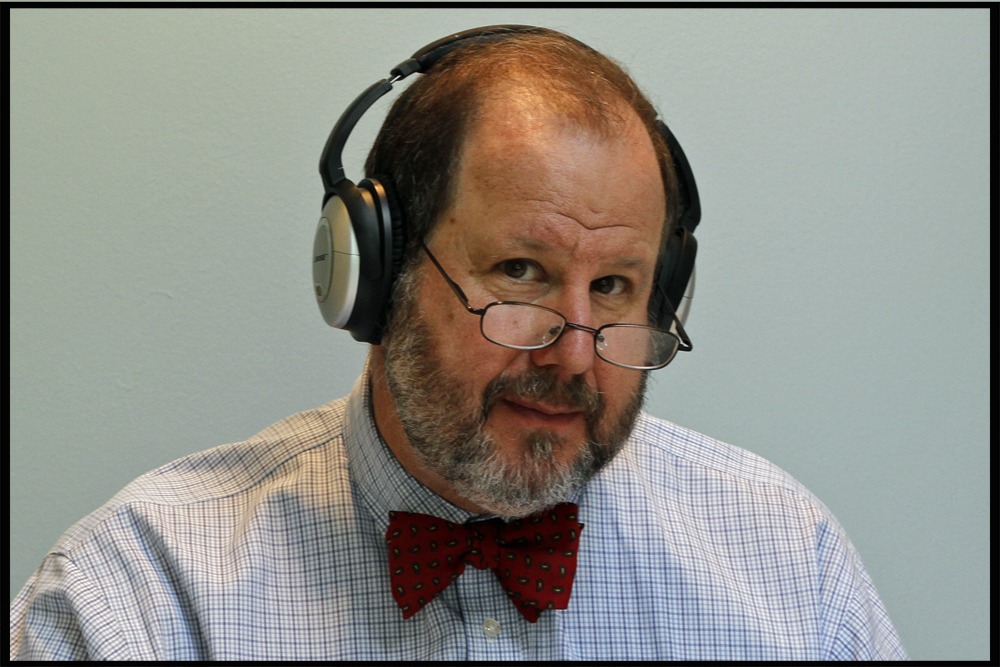
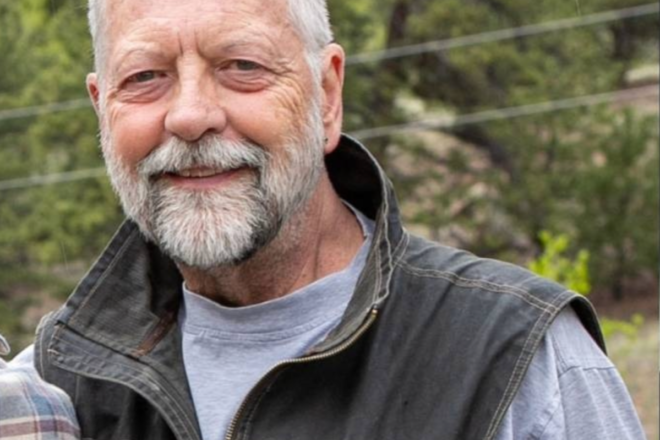
My guest today is Duey Freeman, a licensed therapist, teacher, mentor, and internationally respected voice in attachment theory, human development, and relational psychology. Duey has spent decades teaching therapists, graduate students, and helping professionals around the world, developing a practical framework for understanding how connection, or the absence of it, shapes the nervous system, identity, and the capacity for intimacy.

He has logged nearly 80,000 direct clinical hours and co-founded both the Gestalt Equine Institute and the Gestalt Institute of the Rockies.

What makes Duey’s work unique, and it is unique, is that he does not approach attachment as a sterile academic theory. He approaches it as lived human experience. His work centers on a simple but profound truth: what is injured in relationship is often only healed in relationship.

In this episode, we explore how attachment patterns emerge in childhood, how they quietly shape adult relationships, parenting, stress physiology, and even our sense of safety in the world. We discuss the roots of attachment theory through the work of John Bowlby and Mary Ainsworth, and we move into modern concepts involving trauma, nervous system regulation, emotional attunement, and relational repair.

We also touch on an uncomfortable reality in modern culture: many people are surrounded by communication yet starving for authentic connection. Children especially do not simply need instruction or behavioral management. They need co-regulation, attunement, eye contact, emotional presence, and secure relational anchors.

This conversation is not just for therapists. It is for parents, physicians, educators, coaches, and anyone trying to understand why humans behave the way they do under stress, conflict, intimacy, or loss.

Duey brings an unusual combination of wisdom, groundedness, tenderness, and clinical depth to this discussion. I have heard him frequently called Yoda, and if you knew him, you would immediately understand and agree with that moniker. You can feel that he has spent a lifetime studying not just psychology, but people.

So sit back and enjoy this remarkable conversation with Duey Freeman on attachment, psychology, and the relational foundations of being human.

Dr. M

Dr. M’s Women and Children First Podcast #110: F3 Nation and Fatherhood


Welcome to Dr. M’s Women and Children First Podcast. Today’s conversation is a little different.

Six men. One table. No scripts.

Just a shared commitment to something that doesn’t come with a manual—fatherhood.

We’re talking about what it means to show up as a dad when you’re tired, when you’re stretched thin, and when the stakes feel higher than anything else you do.

And we’re grounding that conversation in the ethos of F3 Nation—fitness, fellowship, and faith—where men gather early, push each other physically, and, more importantly, build something deeper: accountability, purpose, and community.
Because strong fathers don’t happen by accident. They’re forged—day by day, rep by rep, conversation by conversation.

Let’s get into it.
Dr. M

Dr. M’s SPA Newsletter Volume 15 Issue 30 – Beyond Behaviors Part 2, Mona Delahooke, PhD

Review of Chapter 2 of Beyond Behaviors
by Mona Delahooke, PhD


“Social behavior and the capacity to manage challenge are dependent on the neural regulation of physiological state.” S. Porges

Top Down or Bottom Up?

“Before We Respond to Behavior, We Need to Understand Its Origin.”

With a deceptively simple observation, Dr. Delahooke reshapes the entire field of behavioral intervention: children’s actions come from two very different places in the brain. Some behaviors are top-down, intentional, planned, thoughtful. But many, especially the ones adults find most perplexing, arise bottom-up from stress responses generated by the body’s autonomic nervous system. We often think of this state in terms of fight or flight, however, it is not that simplistic. It is truly any significant response to the outside environment that leads to a neuroceptive reaction that is not governed by the neocortex, top down. If we don’t distinguish the source, our interventions are guesswork at best and often counterproductive at worst.

She illustrates this through a case, a child whose impulsive, disruptive behaviors were treated as failures of will or desire. School teachers and teams repeatedly urged him to “use his words,” as though language were a faucet he simply refused to turn on. What no one stopped to ask was the foundational question: Was his nervous system regulated enough to access language at all? Was he gated at the level of the amygdala blocking the ability to use his mind consciously and even have the opportunity to respond to a meaningful request? Is he capable of the ask, not in terms of willingness, but in terms of physiological access to the skill itself?
….. and more

Enjoy,
Dr. M

Dr. M’s Women and Children First Podcast #93 – Lisa Danahy, MS, C-IAYT, YACEP – Calming the Next Generation

Today’s guest is Lisa Danahy, a powerhouse in the world of yoga therapy, trauma-informed education, and social-emotional learning. With over three decades of experience as a school administrator, curriculum designer, and wellness educator, Lisa brings a rare blend of clinical insight, compassion, and practical tools to help children and the adults who care for them find calm in a chaotic world.

Lisa holds a Master of Science in Yoga Therapy, is a certified yoga therapist and educator, and is the founder of Create Calm, a nationally recognized nonprofit that’s transformed wellness access for neurodiverse, disabled, and underserved youth across the country. Since 2016, Create Calm has delivered evidence-based programs to thousands of students, educators, and families in school systems nationwide.

Lisa’s approach integrates the latest research in psychology, neuroscience, and movement science into accessible practices that support emotional regulation, resilience, and whole-person healing. She’s a Hay House author, international speaker, and a trusted trainer for clinicians, caregivers, and teachers alike.

Stay with us as we explore how her work is redefining wellness in schools, clinics, and communities.

You can learn more about Lisa’s work at www.CreateCalm.org and www.MondayMindfulness.com.

Let’s dive in.

Please Enjoy,

Dr. M

Dr. M’s Women and Children First Podcast #89 – Trenna Sutcliffe, MD – Autism and Development

Today we are joined by a remarkable guest, Dr. Trenna Sutcliffe, a board-certified developmental-behavioral pediatrician and the founder of the Sutcliffe Clinic in the San Francisco Bay Area. Her educational history is impressive. She completed her undergraduate education in Molecular Biology and Medical Genetics followed by a masters degree in Biophysics at The University of Toronto. She obtained her Medical degree at McMaster University before her pediatric residency and training finished at the Hospital for Sick Children in Toronto. And oh by the way, she then did a year of pediatric Neurology residency and a Fellowship in Developmental Pediatrics. And finally, another Masters degree in Epidemiology at Stanford University. Thus, her educational path has allowed her to see the developmental landscape through a wider lens covering many disciplines. Dr. Sutcliffe started the first Developmental Pediatrics Clinic at Stanford and played the role of trailblazer throughout her career.

With over 25 years of experience, Dr. Sutcliffe specializes in supporting children with autism, ADHD, and anxiety, offering a multidisciplinary approach to diagnosis and treatment. In this episode, she’ll share her insights on the rising prevalence of these conditions, the importance of personalized care, and practical strategies for parents navigating developmental challenge. Fundamentally, Dr. Sutcliffe is a going to educate us on a better way to deliver whole person care to the developmentally challenged and beautiful children of this country.

Two words encapsulate her work: empowering and thoughtful.

Let’s dive into this conversation with Dr. Sutcliffe to learn how we can help our children thrive!

Dr. M

Dr. M’s SPA Newsletter Audiocast Volume 14 Issue 38

Section I

Are Smart Phones a benefit or a curse for the teenager in school? This is becoming a huge topic this past year or so. Logic would seem to dictate that this is a curse more than a benefit, but what does the data and expert opinion show?

The Scientific American article “Do Phone Bans Help Students Perform Better in School?” examines the growing trend of banning smartphones in schools to enhance student performance and well-being. Numerous U.S. cities, including New York and Los Angeles, have recently implemented or are considering bans on phones in classrooms. Schools use tools like the Yondr pouch, which locks phones away during school hours, to enforce these bans. These measures are popular with educators and parents, with 60% of likely voters in New York State supporting such restrictions. Charlotte Schools has this policy: “In accordance with Charlotte-Mecklenburg Schools Student Code of Conduct, personal technology devices, including cell phones must remain off and put away during school hours. Violations will result in confiscation of the personal technology device. The district is not responsible (monetary value or replacement) for theft, loss or damage to personal technology or other electronic devices brought onto CMS property.” (CMS) My informal poll has a higher number of parents interested in phone ban restrictions in North Carolina….plus a section on teen anxiety.

Enjoy,

Dr. M

1 2 … 6