
infection

Dr. M’s Women and Children First Podcast #120: Datis Kharrazian, PhD, DHSc, DC, MS, MMSc – Immunology, Autoimmunity and Autism

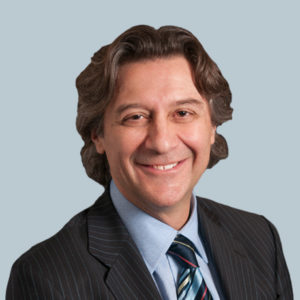
Today, I have the pleasure of welcoming one of the most accomplished educators, researchers, and clinical thinkers in functional and integrative medicine, Dr. Datis Kharrazian.

Datis has an extraordinary educational pedigree. He holds a PhD in Health Sciences with concentrations in immunology and toxicology, a Doctor of Health Science degree, a master’s degree in Human Nutrition, and a Doctor of Chiropractic degree. He also earned a Master of Medical Sciences in Clinical Investigation from Harvard Medical School, where he completed postdoctoral research training, including work in the Department of Neurology at Massachusetts General Hospital.

He serves as an Associate Clinical Professor at Loma Linda University School of Medicine and has devoted much of his career to understanding the complex relationships between the immune system, the brain, the environment, and chronic disease.

He has two bestselling books, Why Do I Still Have Thyroid Symptoms When My Lab Tests Are Normal? and Why Isn’t My Brain Working? Both helped introduce a generation of clinicians and patients to a more comprehensive understanding of autoimmune disease and neurological health.

But perhaps one of his greatest contributions has been his commitment to educating other healthcare professionals. Through the Kharrazian Institute, he has helped train thousands of clinicians around the world, translating complex scientific literature into practical clinical frameworks.

That mission continues to expand through advanced functional medicine certification programs, clinical mentorship, specialized courses, and innovative educational initiatives designed to help clinicians better understand and treat complex chronic illness.

On this podcast, we spend a great deal of time exploring the origins and biological realities of autoimmunity, immunometabolism, neuroinflammation, and the upstream drivers of chronic disease. We continually return to a central question: Why is chronic disease developing in the first place, and what are we missing when we focus only on treating its downstream symptoms?

But understanding the science is only half the challenge. The other half is translating that knowledge into meaningful clinical practice.

And that is where Datis has made such an important contribution.

How do we take our growing understanding of complex biological mechanisms, the interplay between immune activation, metabolic dysfunction, environmental exposures, and neurological health, and teach clinicians to recognize these patterns, connect the dots, and apply that knowledge effectively to improve patient outcomes?

Today, we’ll explore that intersection of science, education, and clinical practice, discuss the exciting work underway at the Kharrazian Institute, and consider what the next generation of functional medicine education might look like.

Enjoy,

Dr. M
Dr. M’s Women and Children First Podcast #19 Repost – Dr. Alessio Fasano – Intestinal Permeability, Microbiome and MIS

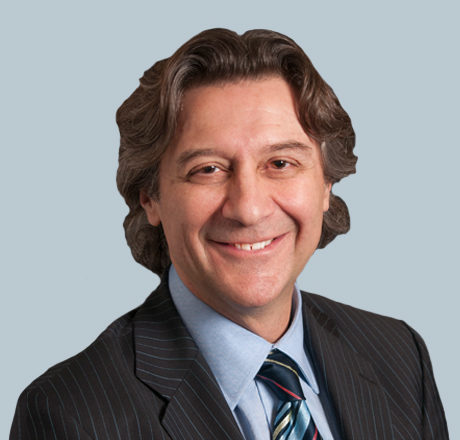
In this podcast repost, we rediscover the work of Pediatric Gastroenterologist Dr. Alessio Fasano from the Massachusettes General Hospital Department of Pediatric Gastroenterology. In this conversation, we discussed the research on Intestinal Permeability, Microbiomes and MIS, Multi Inflammatory Syndrome in Children .
Dr. Fasano also directs the Mucosal Immunology and Biology Research Center and is associate chief for Basic, Clinical and Translational Research. Under his leadership, investigators are studying the molecular mechanisms of autoimmune disorders including celiac disease, and other-gluten-related disorders. He has been named visiting professor of pediatrics at Harvard Medical School. He authored the groundbreaking study in 2003 that established the rate of celiac disease at one in 133 Americans. Widely sought after by national and international media, Dr. Fasano has been featured in hundreds of interviews including outlets such as The New York Times, The Wall Street Journal; National Public Radio; CNN; Bloomberg News, and others.
He recently co authored an excellent book with Susie Flaherty called Gut Feelings. I highly recommend you purchase and read this book. It is an encyclopedia of information regarding gut health, the microbiome and much more.
Enjoy my conversation with Dr. Fasano,
Dr. M

Dr. M’s Women and Children First Podcast #103: Sam Yanuck, DC – Cogence

Today on Dr. M’s Women and Children First, we’re joined by Dr. Sam Yanuck, a clinician-educator who has spent more than three decades translating immunology from the bench to the bedside. Dr. Yanuck has been in private practice since 1992 and is the creator of Cogence Immunology, one of the most widely respected functional immunology training programs in the world. Through Cogence, he has trained over 9,900 clinicians internationally to think mechanistically about immune signaling, chronic inflammation, autoimmunity, and the complex, often nonlinear patterns that define chronic disease.

What sets Dr. Yanuck apart is his insistence on precision. His work focuses on understanding the immune system as a dynamic network—one shaped by timing, context, feedback loops, and individual biology—rather than a collection of isolated lab values or diagnoses. In his clinical model, chronic illness is not random; it reflects an identifiable matrix of immune, metabolic, environmental, and regulatory factors that can be mapped, understood, and addressed.

In today’s conversation, we’ll explore how modern immunology reshapes clinical thinking around autoimmunity, chronic inflammatory disease, and long-term health—especially in complex patients where standard frameworks fall short.
This is a deep dive. If you care about mechanism, signal over noise, and treating patients with both scientific rigor and biological humility, this episode is for you.

Today, we’re stepping outside the sterile lab and into the wild world of evolutionary biology — where our immune system didn’t emerge in a vacuum, but in dirt, in danger, and in the delicate dance between microbe and mammal.

Join me and Dr. Sam Yanuck -the clinician, the teacher, and one of the best translators of complex immunology into something both clinically useful and biologically beautiful.

Dr. M

Dr. M’s SPA Newsletter Volume 15 Issue 20/21

Flu season is around the corner and we should take a look at the virus for preparation purposes.

Influenza

Every few years, I revisit this virus in my writing, not only to keep it on your radar in preparation, but also because of the significant illness and death it continues to cause. It’s never wise to dismiss its potential impact. Influenza reliably returns each year, difficult to escape even with strict isolation.

The flu is different from the common cold in many ways as the flu has:

1) Rapid onset with high spiking fevers

2) Muscle and headaches

3) Little to not sneezing and sore throat

4) Rapid and robust cough onset

Influenza season is beginning in the United States this fall. Who gets sick? In short, people of all ages. Seasonal influenza has a reproductive rate of just over one, meaning that each infected person typically spreads the virus to one or two others through coughing or sneezing in close proximity. The virus also survives on surfaces for up to 24 hours, creating another common route of transmission, especially in children. Young kids frequently touch surfaces and each other, then touch their faces, providing the perfect pathway for infection. Because of this, schools remain a major hub for flu transmission across the country.

Preventing the virus from taking root in your body is the key to avoiding a bad outcome.

Things that I think of as critical to avoiding or preventing this infection:

1) Keeping your vitamin D level greater than 50 ng/ml is an important way to prevent influenza infections. Get tested and supplement accordingly. As always the sun is your natural route to normal D levels

2) Get adequate sleep based on your age to keep your immune system in great shape. Sleep is very important for immune health…… and more on asthma driving mental health issues.
Dr. M

Dr. M’s SPA Newsletter Volume 15 Issue 17

Inflammaging from a Population View

In a landmark study published in Nature Aging on July 7, 2025, researchers challenge a cornerstone of modern gerontology by showing that inflammaging, chronic, age-associated low-grade inflammation, is not universal across all human populations. The abstract states the following: “Inflammaging, an age-associated increase in chronic inflammation, is considered a hallmark of aging. However, there is no consensus approach to measuring inflammaging based on circulating cytokines. Here we assessed whether an inflammaging axis detected in the Italian InCHIANTI dataset comprising 19 cytokines could be generalized to a different industrialized population (Singapore Longitudinal Aging Study) or to two indigenous, nonindustrialized populations: the Tsimane from the Bolivian Amazon and the Orang Asli from Peninsular Malaysia.

We assessed cytokine axis structure similarity and whether the inflammaging axis replicating the InCHIANTI result increased with age or was associated with health outcomes. The Singapore Longitudinal Aging Study was similar to InCHIANTI except for IL-6 and IL-1RA. The Tsimane and Orang Asli showed markedly different axis structures with little to no association with age and no association with age-related diseases. Inflammaging, as measured in this manner in these cohorts, thus appears to be largely a byproduct of industrialized lifestyles, with major variation across environments and populations.” (Franck et. al. 2025)

The research team analyzed 19 cytokines in over 2,800 individuals from four diverse populations: two industrialized cohorts: Italy’s InCHIANTI and the Singapore Longitudinal Aging Study (SLAS); two non-industrialized, Indigenous groups: the Tsimane of the Bolivian Amazon and the Orang Asli of Peninsular Malaysia.

In Italy and Singapore, the industrialized regions noted classic inflammaging signatures with inflammatory markers like IL‑6, TNF-α, and CRP increased with age, and correlated strongly with age-related chronic diseases such as cardiovascular and kidney disease….. and more on inflammaging…

Dr. M

Dr. M’s SPA Newsletter Volume 15 Issue 14

As I have told many of my patients, I would write immediately when NC sees its first Measles case.

Well, North Carolina has its first measles case: The North Carolina Department of Health and Human Services has confirmed a case of measles in a child who was visiting Forsyth and Guilford counties. The child became ill while traveling to NC from another country where measles outbreaks have recently been reported. To protect the individual and their family’s privacy, no additional information about this individual will be released. This is the first confirmed case of measles in the state in 2025. NCDHHS is recommending all unvaccinated individuals ages one year and older receive measles vaccination to protect themselves and those around them. (NCDHHS)

So, it is finally in NC. If you are still on the fence of whether to vaccinate, the issue is now truly pressing.

From the CDC:

U.S. Hospitalizations in 2025

12% of cases hospitalized (148 of 1227)

Percent of Age Group Hospitalized

Under 5 years: 20% (72 of 355 cases) 50% of the total hospitalized. Highest risk bucket.

5-19 years: 8% (35 of 455)

20+ years: 10% (40 of 404)

Age unknown: 8% (1 of 13)

Deaths 3

And a story on Insurance Hell.

Enjoy,
Dr. M

Dr. M’s SPA Newsletter Volume 15 Issue 8

Itaconate, what is it and why does it matter?

Science Heavy – skip to the bold for take home if you want to avoid the science.

The biggest takeaway from this complex science is this: High fat, high sugar diets (Ultra Processed Foods) are associated with decreased itaconate activity and increased inflammation. The science further answers the question of whether we should allow ultra processed food in schools.

Ultra Processed Foods likely reduce itaconate production driving inflammation, metabolic dysregulation, and gut dysbiosis, which could worsen active disease. Lower itaconate levels likely impair your body’s ability to resolve inflammation, potentially leading to prolonged issues with healing and repair. To support itaconate’s anti inflammatory activity, shift away from UPFs toward an anti-inflammatory diet (e.g., Mediterranean, rich in vegetables, omega-3s, and fiber) to reduce inflammation, support gut health, and enhance itaconate’s immune-regulating effects.

Science:…..

Enjoy,

Dr. M