
immune

Dr. M’s Women and Children First Podcast #104: Maeve O’Connor, MD – Allergy and Immune Literacy


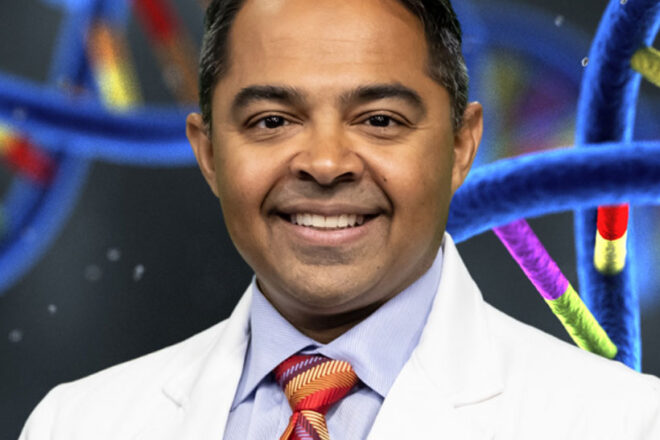
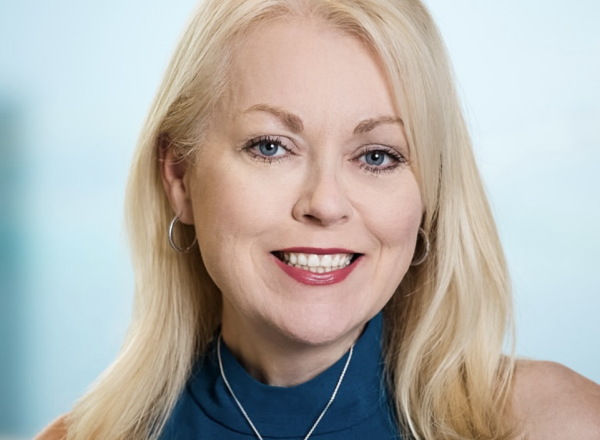
Today, I’m joined by Dr. Maeve O’Connor, a board-certified allergist and immunologist practicing in Charlotte, North Carolina.
Dr. O’Connor’s training reflects both rigor and range. She completed dual undergraduate degrees at the University of South Carolina Honors College with a Bachelor of Science in Biology and a Bachelor of Arts in Spanish before earning her medical degree at the University of South Carolina School of Medicine. She then completed her internship and residency at the University of Texas and its affiliated hospitals in Houston, where she served as Chief Medical Resident.

Her subspecialty training in Allergy and Immunology was completed at the National Jewish Medical and Research Center in Denver consistently ranked the number one respiratory hospital in the United States where she developed deep expertise in asthma, allergic disease, and immune dysregulation. She further expanded her clinical lens through fellowship training in Integrative Medicine at the University of Arizona from 2013 to 2015.

Clinically, Dr. O’Connor works at the intersection of pediatrics, immunology, and real family life where eczema isn’t just a rash, food reactions aren’t just labels, and immune symptoms rarely fit neatly into algorithmic boxes. Her work emphasizes careful diagnosis, evidence-based treatment, and avoiding both over-medicalization and missed pathology.

In a time when allergy medicine is often reduced to test results and avoidance lists, Dr. O’Connor brings a grounded, thoughtful approach helping families and clinicians distinguish what’s truly allergic, what’s inflammatory, what’s developmental, and what’s simply noise.

Today, we’ll explore how allergic disease actually presents in children, why mislabeling is so common, how early immune signals shape long-term health, and how pediatricians and specialists can collaborate more effectively without fear-based medicine.

This is a conversation about immune literacy, clinical nuance, and doing better for children in a world where their immune systems are under increasing pressure.

I’m excited to welcome Dr. Maeve O’Connor.

Dr. M

Dr. M’s Women and Children First Podcast #103: Sam Yanuck, DC – Cogence

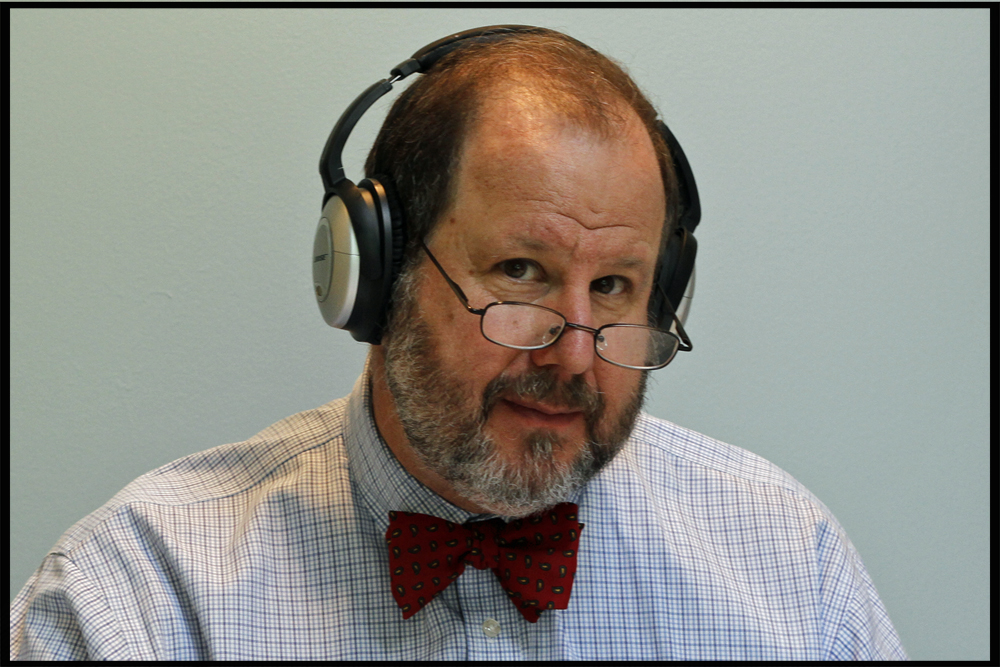
Today on Dr. M’s Women and Children First, we’re joined by Dr. Sam Yanuck, a clinician-educator who has spent more than three decades translating immunology from the bench to the bedside. Dr. Yanuck has been in private practice since 1992 and is the creator of Cogence Immunology, one of the most widely respected functional immunology training programs in the world. Through Cogence, he has trained over 9,900 clinicians internationally to think mechanistically about immune signaling, chronic inflammation, autoimmunity, and the complex, often nonlinear patterns that define chronic disease.

What sets Dr. Yanuck apart is his insistence on precision. His work focuses on understanding the immune system as a dynamic network—one shaped by timing, context, feedback loops, and individual biology—rather than a collection of isolated lab values or diagnoses. In his clinical model, chronic illness is not random; it reflects an identifiable matrix of immune, metabolic, environmental, and regulatory factors that can be mapped, understood, and addressed.

In today’s conversation, we’ll explore how modern immunology reshapes clinical thinking around autoimmunity, chronic inflammatory disease, and long-term health—especially in complex patients where standard frameworks fall short.
This is a deep dive. If you care about mechanism, signal over noise, and treating patients with both scientific rigor and biological humility, this episode is for you.

Today, we’re stepping outside the sterile lab and into the wild world of evolutionary biology — where our immune system didn’t emerge in a vacuum, but in dirt, in danger, and in the delicate dance between microbe and mammal.

Join me and Dr. Sam Yanuck -the clinician, the teacher, and one of the best translators of complex immunology into something both clinically useful and biologically beautiful.

Dr. M

Dr. M’s SPA Newsletter Volume 15 Issue 27 – Immune Aging

The Evolutionary Tug-of-War – Inflammation’s Double-Edged Sword

“Environmental factors, particularly infections, have fundamentally shaped human evolution by selecting for protective inflammatory response mechanisms that enhance survival. This evolutionary pressure has created a core biological paradox: inflammation is indispensable for host defense, yet its dysregulation significantly heightens disease and mortality risk. This fundamental tension raises three fundamental questions about human aging and immunity: (1) How have selective pressures driven the evolution of mechanisms to balance inflammation’s protective benefits against its harmful consequences? (2) Why does substantial variability in healthspan persist despite historically stable rates of aging? (3) Does evolutionary prioritization of reproductive fitness inherently limit longevity?” (Manoharan et. al. 2025)

Let’s talk about the fire inside us. Inflammation is our body’s 911 system: lightning-fast, life-saving when a bug invades or a thorn rips skin. But leave that alarm blaring 24/7 and the fire torches the house.

Evolution faced this paradox: crank the immune dial high enough to survive infection and childbirth, yet install brakes so we don’t self-destruct by 40. Manoharan’s team just mapped those brakes in 17,500 humans and called it immune resilience (IR) or the ability to fight hard, clean up fast, and stay cool afterward… and linguistic aging associations…

Dr. M

Dr. M’s SPA Newsletter Volume 15 Issue 18

Breastmilk is Dynamic

Cellular and transcriptional diversity over the course of human lactation

This recent 2022 paper in the Proceedings of the National Academy of Sciences by Dr. Nyqiust and colleagues is a site for sore eyes.

It offers a remarkable, high-resolution portrait of how the cellular landscape of human breast milk (hBM) shifts over time. The authors capture something both scientifically rich and uniquely human: the dynamic, living composition of milk as it adapts to the changing needs of mother and child.

The abstract: “Human breast milk is a dynamic fluid that contains millions of cells, but their identities and phenotypic properties are poorly understood. We generated and analyzed single-cell RNA-sequencing (scRNA-seq) data to characterize the transcriptomes of cells from hBM across lactational time from 3 to 632 d postpartum in 15 donors. We found that the majority of cells in hBM are lactocytes, a specialized epithelial subset, and that cell-type frequencies shift over the course of lactation, yielding greater epithelial diversity at later points. Analysis of lactocytes reveals a continuum of cell states characterized by transcriptional changes in hormone-, growth factor-, and milk production-related pathways. Generalized additive models suggest that one subcluster, LC1 epithelial cells, increases as a function of time postpartum, daycare attendance, and the use of hormonal birth control. We identify several subclusters of macrophages in hBM that are enriched for tolerogenic functions, possibly playing a role in protecting the mammary gland during lactation. Our description of the cellular components of breast milk, their association with maternal–infant dyad metadata, and our quantification of alterations at the gene and pathway levels provide a detailed longitudinal picture of hBM cells across lactational time. This work paves the way for future investigations of how a potential division of cellular labor and differential hormone regulation might be leveraged therapeutically to support healthy lactation and potentially aid in milk production.” (Nyquist et. al. 2022)

And more information on breastmilk immunology and a recipe.

Dr. M

Dr. M’s Women and Children First Podcast #95 – Sanjay Bhorjaj, MD – Living Longer and Klotho

Today’s guest is Dr. Sanjay Bhojraj, a powerful voice at the crossroads of advanced interventional cardiology and root-cause wellness. Dr. Bhojraj is board-certified in Cardiovascular Diseases and Interventional Cardiology, and one of only a small number of interventional cardiologists in the United States who is also certified in Functional Medicine through the Institute for Functional Medicine.

Dr. Bhojraj earned his medical degree from Indiana University School of Medicine, trained in internal medicine at Northwestern, and completed a cardiology fellowship at the renowned Henry Ford Health System. For over two decades, he practiced in conventional cardiology, saving lives daily with stents, angioplasties, and transcatheter valve replacements.

But along the way, something essential began to stir. He found himself asking bigger questions: Why do people arrive in the cath lab in the first place? Why are we not doing more to prevent the first or second heart event? And what role do nutrition, sleep, stress, and emotional health truly play in long-term cardiovascular outcomes?

These questions led Dr. Bhojraj to Functional Medicine, not as an alternative, but as an evolution, a model that restores agency to patients and equips the body to heal through comprehensive lifestyle optimization. He now leads the Well12 Program, a transformational experience that guides individuals in upgrading the foundational systems of their health from metabolism to mindset, so they can live not just longer, but better.

Today, Dr. Bhojraj and I explore the remarkable protein Klotho and the emerging science linking it to human longevity and health span. This is a conversation you won’t want to miss, a glimpse into what may become a defining frontier in upstream disease prevention.

Enjoy,

Dr. M

Dr. M’s SPA Newsletter Volume 15 Issue 15

Systemic Maternal Inflammation and Neurodevelopment: The Role of IL-6 and IFN-γ in Autism Spectrum Disorder

I just returned from Estes Park, Colorado where I presented a lecture on the Growing Brain/Mind – a tour through the underpinnings of childhood neurological changes that we call Autism. The timing is perfect for this article to be written.

In an era when chronic disease in children is rising at an unprecedented pace, the search for root causes must include an honest inquiry into the conditions present during fetal development. The review article by Majerczyk and colleagues, Systemic Maternal Inflammation Promotes ASD via IL-6 and IFN-γ, brings forward a critical piece in this puzzle that I began to explore a few years ago when writing a book. It connects the dots between maternal immune dysregulation and long-term neurodevelopmental outcomes, specifically autism spectrum disorder (ASD). Through a synthesis of clinical data and animal research, the authors make a compelling case for the centrality of two inflammatory messengers, interleukin-6 (IL-6) and interferon-gamma (IFN-γ), in shaping fetal brain development during gestational stress. The key words here being GESTATIONAL STRESS, the recurring scientific theme for ASD development, not vaccines… and some literature reviews.

Dr. M

Dr. M’s SPA Newsletter Volume 15 Issue 8

Itaconate, what is it and why does it matter?

Science Heavy – skip to the bold for take home if you want to avoid the science.

The biggest takeaway from this complex science is this: High fat, high sugar diets (Ultra Processed Foods) are associated with decreased itaconate activity and increased inflammation. The science further answers the question of whether we should allow ultra processed food in schools.

Ultra Processed Foods likely reduce itaconate production driving inflammation, metabolic dysregulation, and gut dysbiosis, which could worsen active disease. Lower itaconate levels likely impair your body’s ability to resolve inflammation, potentially leading to prolonged issues with healing and repair. To support itaconate’s anti inflammatory activity, shift away from UPFs toward an anti-inflammatory diet (e.g., Mediterranean, rich in vegetables, omega-3s, and fiber) to reduce inflammation, support gut health, and enhance itaconate’s immune-regulating effects.

Science:…..

Enjoy,

Dr. M