
Tag Archives: baby

Dr. M’s SPA Newsletter Volume 15 Issue 28 – Feeding Infants


Food in Infancy
What do we know?

“Humans are the only mammals who feed our young special complementary foods before weaning and we are the only primates that wean our young before they can forage independently. There appears to be a sensitive period in the first several months of life when infants readily accept a wide variety of tastes and this period overlaps with a critical window for oral tolerance. As a result, infants should be exposed to a wide variety of flavors while mother is pregnant, while mother is nursing and beginning at an early age. There also appears to be a sensitive period between 4 and 9 months when infants are most receptive to different food textures. There remains debate about when it is best to begin introducing solid foods into an infant’s diet however, the available evidence suggests that provided the water and food supply are free of contamination, and the infant is provided adequate nutrition, there are no clear contraindications to feeding infants complementary foods at any age. There is emerging evidence that introduction of solid foods into an infant’s diet by 4 months may increase their willingness to eat a variety of fruits and vegetables later in life, decrease their risk of having feeding problems later in life, and decrease their risk of developing food allergies, and the early introduction of solid foods into an infant’s diet does not appear to increase their risk of obesity later in childhood.” (Borowitz S. 2021)

Food Introductions — What’s the best way to approach it?

As infants begin the shift from exclusive milk feeding to solid foods, a range of opinions inevitably emerge on how to navigate that transition. It’s tempting to get lost in modern guidelines, but an anthropological lens is often more revealing. Long before the age of purées in jars and puffed snacks in canisters, human infants ate what their parents ate. It was delivered in whole-food form and mechanically softened by chewing, cooking, or crushing. These early first foods carried important evolutionary advantages…Plus a piece on Hell Yeh or No by Derek Sivers

Enjoy,
Dr. M

Dr. M’s Women and Children First Podcast #85 – Lily Nichols RD

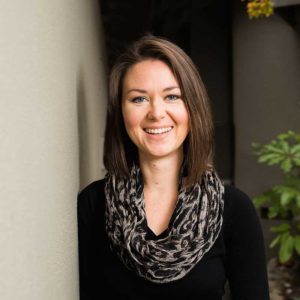
Welcome back to Dr. M’s Women and Children First Podcast, where we dive deep into the latest research and expert insights on health, nutrition, and optimizing well-being. Today, we sit down with an influential voice in prenatal and fertility nutrition, Lily Nichols, RD.

Lily is a registered dietitian, researcher, and best-selling author known for her groundbreaking work on real food nutrition for pregnancy. Her previous books, Real Food for Pregnancy and Real Food for Gestational Diabetes, have redefined how we think about maternal nutrition, blending ancestral wisdom with cutting-edge science. Now, with her latest book, Real Food for Fertility, she expands her expertise to help couples optimize their chances of conception and support a healthy pregnancy from the very start.

In this conversation, we’ll explore the critical role of nutrient-dense, whole foods in fertility, how conventional dietary advice may be missing key elements, and why blood sugar balance, gut health, and micronutrient status are essential for reproductive success. Lily’s research-driven approach challenges outdated dogma and offers practical, evidence-based solutions that can make a real impact on fertility outcomes.

Whether you’re planning for pregnancy, supporting a loved one on their journey, or simply interested in how diet shapes reproductive health, this episode is packed with actionable takeaways.

Join me in welcoming Lily Nichols, RD, to the podcast!

Dr. M

Real Food for Fertility

Dr. M’s SPA Newsletter Audiocast Volume 14 Issue 12

Pregnancy is a super important time. Do not take by inhalation, ingestion or other exposure anything that is a potential toxin for the body.
Things to avoid:
1) Caffeine – in low to minimal doses, it is clear that caffeine is safe for pregnant women and their offspring. Caffeine easily crosses into the placenta and thus the baby’s circulation. In utero babies cannot metabolize caffeine well putting them at risk with increasing exposure. The data does not support the same reality for more moderate to high doses. Caffeine is known to raise blood pressure and heart rate in all users in variable numbers based on metabolism capabilities…… plus a literature review and a recipe.
Enjoy,
Dr. M

Dr. M’s Women and Children First Podcast #49 – Marcel Nold, MD – Neonatal Immunology

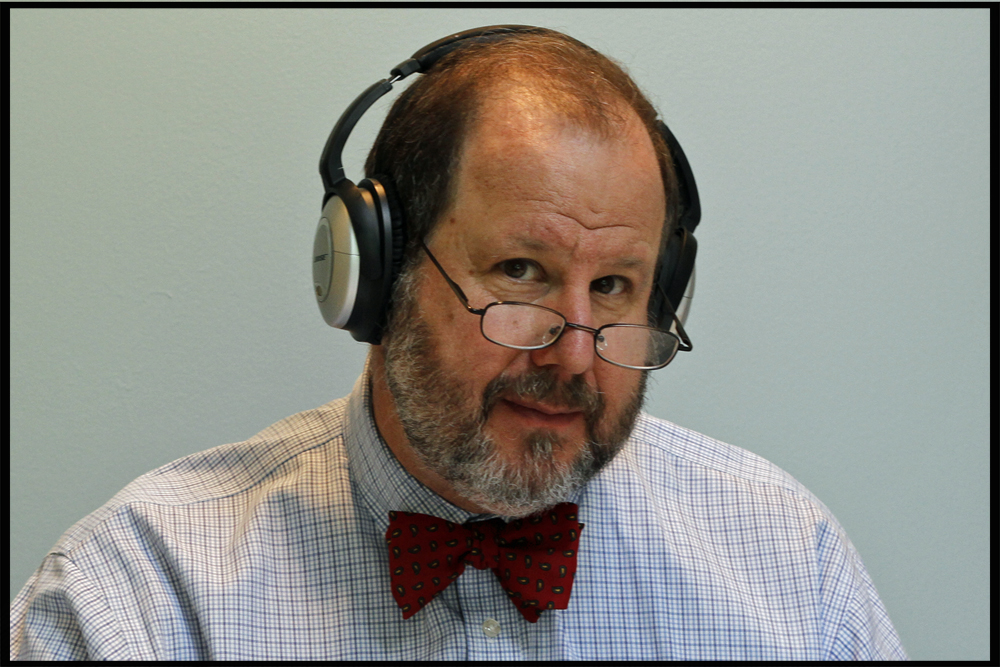
This weeks guest is Professor Marcel Nold, MD. Dr. Nold is a clinician scientist in the research environment of neonatal immunology and microbiomes at Monash University in the city of Monash in Melbourne, Australia. Professor Nold received his Doctor of Medicine degree at the JW Goethe-University at Frankfurt am Main, Germany, including final year rotations in Zürich (Switzerland), Montréal (Canada) and Capetown (South Africa). For his biomedical research training he spent six years at the Pharmazentrum at Frankfurt am Main and three years as a research Fellow at the laboratory of Professor Dinarello, at the University of Colorado Denver. In 2009 he was recruited to The Ritchie Centre in Melbourne and finished his specialist training at Monash Newborn. Professor Nold is a leading researcher worldwide in the field of immune cytokine signaling and was the key contributor to identifying Interleukin 37 or IL37. His research has been published in the journals Nature Immunology, Science Immunology and many others. His academic Inflammation in Neonatal Diseases Research Group and his industry programs aim to characterise underlying pathways of inflammation in early life diseases, with a focus on interventional immunology in cardiopulmonary and intestinal diseases of the preterm.
For the purposes of this interview, Dr. Nold is a researcher with a view of the maternal child dyad that is prevention focused and health span conscious. His research has led to many critical discoveries in the neonatal health space that I find deeply intriguing. We get into some deep immunology at times which is critical for total understanding.
Enjoy,
Dr. M

Dr. M’s Women and Children First Podcast #12 – Lily Nichols, Nutrition and Pregnancy

Lily Nichols and I had a lovely discussion on maternal nutrition for podcast episode #12.
Lily Nichols is a registered dietician and a seeker of best practices in nutrition based on cutting edge science and not American Diatetic Association dogma. She is thoughtful and dedicated to helping mothers and mother’s to be navigate the crazy world of food and health.
Her website states:
Standard prenatal nutrition advice is due for an overhaul. Evidence is mounting that real food offers optimal nourishment for mamas and babies.
This statement encapsulates everything that I believe in. We need change around our relationship to food and health and there is no more important place to start than with mom.
I hope that you enjoy my conversation with Lily Nichols,
Dr. M

Dr. M’s Women and Children First Podcast #8 – Dr. Kjersti Aagaard, A Womb With a View

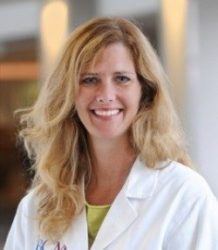
Dr. Kjersti Aaagard, is an expert in maternal-fetal medicine holding the distinction as the Henry and Emma Meyer Professor and Chair in Obstetrics and Gynecology at Baylor College of Medicine and Texas Children’s Hospital. She serves as vice chair of research for obstetrics and gynecology and is a professor in the Departments of Molecular and Human Genetics, Molecular and Cellular Biology, and Molecular Physiology and Biophysics. She is an expert in the study of the maternal microbiome and metagenomics Research.

She is a tour de force of knowledge in the evolutionary understanding of the maternal-fetal communications throughout pregnancy and post delivery. We share a fascinating hour discussing the maternal microbiome, breastmilk, diet and much more as they relate to mom and her babe.

I hope that you enjoy this stimulating conversation with Dr. Aagaard,

Dr. M

Dr. M’s Women and Children First Podcast #5 – Dr. Victoria Maizes, Fertility and Optimal Woman’s Health

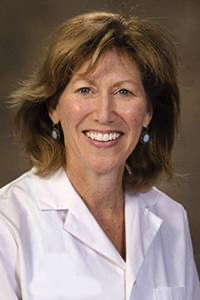
Dr. Victoria Maizes is executive director of the University of Arizona Center for Integrative Medicine, chief of the UA Division of Integrative Medicine and a professor of medicine, family medicine and public health. Internationally recognized as a leader in integrative medicine, she stewarded the growth of the Arizona Center for Integrative Medicine from a small program educating four residential fellows per year to a designated “Center of Excellence” that trains more than 500 residents and fellows annually.

Dr. Maizes has pioneered multiple innovative educational programs including the Integrative Family Medicine Program, and Integrative Medicine in Residency, two national models for educating primary care physicians. As founding co-chair of the education committee of the Consortium of Academic Health Centers for Integrative Medicine—the mission of which is to promote integrative medicine, she has led a team of educators in developing objectives for medical students in integrative medicine.

Her passion for women’s health makes her ideal for a discussion on fertility and the best path forward for a woman wanting to become a mother. Her book, Be Fruitful, is a road map leading to the best pregnancy and child outcomes. We discuss the root causes of infertility and maternal disease. Dr. Maizes teaches us the pathway to be followed for a mother to be in order to unwind the antecedent risk factors for infertility and disease.

I hope that you enjoy my conversation with Dr. Maizes,

Dr. M