
Maternal Health

Dr. M’s Women and Children First Podcast #105: Carrie Jones, ND – Hormone Literacy

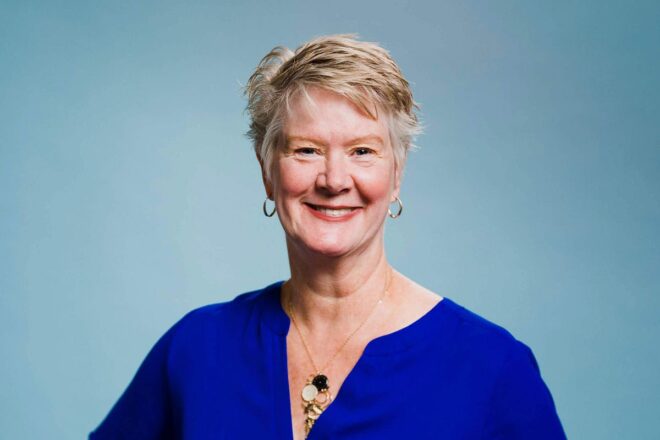
Dr. Carrie Jones, ND, MPH

Hormone Literacy

Welcome back to Dr. M’s Women and Children First, where we step back from symptoms and ask a more interesting question: how does the female hormonal system actually develop, adapt, and sometimes struggle across a lifetime?

Today’s conversation spans that entire arc, from early life, to puberty, to fertility and more with someone who has spent more than two decades living inside that complexity.

My guest is Dr. Carrie Jones, an internationally recognized speaker, consultant, author, and educator in women’s health and hormones. Many know her as the “Queen of Hormones,” but what really defines her work is not titles, it’s her ability to translate very complex endocrinology into biology that actually makes sense.

Dr. Jones is a naturopathic physician who completed a two-year residency focused on women’s health and endocrinology. She holds a Master of Public Health, was one of the very first clinicians to become board certified through the American Board of Naturopathic Endocrinology, and is a Menopause Society Certified Practitioner.
She helped shape how an entire generation of clinicians think about hormone testing and interpretation as the first Medical Director at Precision Analytical, the creators of the DUTCH test, and later as the first Head of Medical Education at Rupa Health. She’s served on Under Armour’s Human Performance Council, consulted for multiple women’s health and laboratory companies, and now serves as Chief Medical Officer at NuEthix Formulations.

Many of you will recognize her voice from the Root Cause Medicine Podcast, which reached more than ten million downloads, and she now hosts her own show, Hello, Hormones, where she continues to explore how hormones shape mood, metabolism, immunity, fertility, and aging.

But what makes today’s conversation especially important is this: we’re not just talking about menopause, or cycles, or lab values.

We’re asking a bigger question.

How have female hormones changed across generations?

How early life nutrition, stress, environment, and metabolic health shape the hormonal story from birth forward.
And how modern exposures, from ultra-processed diets to endocrine-disrupting chemicals, may be quietly rewriting the biology of women long before symptoms ever appear.

This is a systems-level conversation about development, resilience, and adaptation, and few people are better equipped to guide us through it than Dr. Carrie Jones.

Dr. M

@dr.carriejones
@dr.carriejones
https://www.youtube.com/@drcarriejones


www.drcarriejones.com
Dr. M’s Women and Children First Podcast #98 William Parker, PhD – Acetaminophen and Autism – What Do We Know in 2025?

Welcome to Dr. M’s Women & Children First Podcast, where we engage with pioneering voices at the intersection of science, healthcare, and the well-being of families.

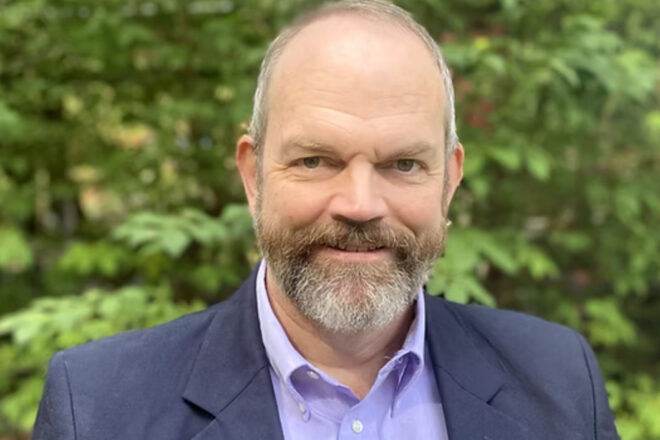
Today, I’m honored to introduce Dr. William Parker, PhD. Dr. Parker is perhaps best known for discovering the function of the human appendix, but his contributions to science extend far beyond that single discovery. He studied biology and chemistry as an undergraduate before earning his PhD in Chemistry from the University of Nebraska–Lincoln in 1992. Since the 1980s, he has conducted innovative research, publishing more than 150 peer-reviewed articles that span immune function, microbiome science, and human health.

Dr. Parker was the first to compare immune systems in wild animals with those of their laboratory counterparts, and among the first to conclude that changes in the human “biota”, the symbiotic organisms living within us, brought on by modern society can contribute to depression and anxiety. After nearly three decades at Duke University, where he served as associate professor and research leader, he founded WPLab, Inc., a nonprofit dedicated to understanding and educating about the causes of chronic inflammatory diseases in high-income societies.

Currently a visiting scholar at the University of North Carolina, Dr. Parker collaborates widely with colleagues from Duke University, University of Montreal, Czech Academy of Sciences, University of Groningen, University of Colorado Boulder, and scientists across the pharmaceutical industry.

In recent years, he has turned his attention to a provocative and urgent question: the potential links between early acetaminophen exposure and autism spectrum outcomes. His current work combines mechanistic and epidemiologic approaches to explore how acetaminophen’s effects on human physiology at critical stages of development might influence neurodevelopment.

In our conversation, we’ll explore:

  • The evidence and hypotheses behind acetaminophen’s potential role in autism risk
  • What families and clinicians should know: what’s plausible, what remains speculative, and where research is heading next

I’m thrilled to share this episode with Dr. Parker, whose intellectual curiosity, scientific rigor, and courage to ask difficult questions embody the spirit of this show.

Dr. M

Dr. M’s SPA Newsletter Volume 15 Issue 15

Systemic Maternal Inflammation and Neurodevelopment: The Role of IL-6 and IFN-γ in Autism Spectrum Disorder

I just returned from Estes Park, Colorado where I presented a lecture on the Growing Brain/Mind – a tour through the underpinnings of childhood neurological changes that we call Autism. The timing is perfect for this article to be written.

In an era when chronic disease in children is rising at an unprecedented pace, the search for root causes must include an honest inquiry into the conditions present during fetal development. The review article by Majerczyk and colleagues, Systemic Maternal Inflammation Promotes ASD via IL-6 and IFN-γ, brings forward a critical piece in this puzzle that I began to explore a few years ago when writing a book. It connects the dots between maternal immune dysregulation and long-term neurodevelopmental outcomes, specifically autism spectrum disorder (ASD). Through a synthesis of clinical data and animal research, the authors make a compelling case for the centrality of two inflammatory messengers, interleukin-6 (IL-6) and interferon-gamma (IFN-γ), in shaping fetal brain development during gestational stress. The key words here being GESTATIONAL STRESS, the recurring scientific theme for ASD development, not vaccines… and some literature reviews.

Dr. M

Dr. M’s Women and Children First Podcast #94 – Melinda Elliott, MD – Feeding the Infants

Today, we explore the intersections of cutting-edge science, compassionate care, and the future of pediatric and maternal health with Dr. Melinda Elliott, MD, FAAP, a leading neonatologist and the Chief Medical Officer at Prolacta Bioscience. Dr. Elliott has dedicated her career to advancing the care of our most vulnerable patients, premature and medically fragile infants, through both clinical excellence and research-driven innovation.

Dr. Elliott earned her medical degree from West Virginia University School of Medicine. She went on to complete her residency in pediatrics and her fellowship in neonatal-perinatal medicine at the University of Florida, where she also served as chief resident and a faculty member, helping to train the next generation of pediatricians and neonatologists.

Throughout her clinical and leadership career, Dr. Elliott has been deeply involved in advancing evidence-based care in the NICU, improving nutritional strategies for preterm infants, and advocating for human milk as a therapeutic intervention in neonatal health. Her work with Prolacta Bioscience supports NICUs around the globe in providing 100% human milk–based nutrition to reduce complications such as necrotizing enterocolitis (NEC), a devastating condition that disproportionately affects preterm infants.

Please join me in welcoming Dr. Melinda Elliott, a champion for babies and a voice for innovation in neonatal medicine.

Dr. M

Dr. M’s SPA Newsletter Volume 15 Issue 1

Some Key Literature Review Studies from Year 14

This is a bit of a long newsletter. That is intentional. This will be a repository for some of the best research for us to look back on from time to time this coming year to solidify the learning moving forward.

1) Time restricted eating patterns are known to help physiology and metabolism by initiating a pause in the action of mTOR and muscle synthesis as well as inducing autophagy. Autophagy is critical to the clearance of broken or damaged cells following injury or disease…..Plus a to do list and recipe of the week.

Dr. M

Dr. M’s Women and Children First Podcast #87 – Tasha Stoiber, PhD

Welcome back to Women and Children First, where we dive into the science, policies, and practices that shape the health of our families and communities. Today, we are honored to have Dr. Tasha Stoiber, a leading scientist at the Environmental Working Group (EWG), whose work is at the forefront of protecting public health from environmental contaminants. Dr. Stoiber is a distinguished environmental scientist dedicated to understanding the impact of chemical exposures on public health.

Dr. Stoiber earned her Ph.D. in Environmental Chemistry from the University of Wisconsin-Madison. She furthered her expertise through postdoctoral research in the ecotoxicology of nanoparticles in human tissues at the University of California, Davis. She brings a wealth of expertise to the conversation on how exposures to harmful substances, such as PFAS, heavy metals, and endocrine disruptors, can affect human health, especially in vulnerable populations like children and pregnant women.

Currently, as a Senior Scientist at EWG, she focuses on researching contaminant chemicals in consumer products. At EWG, she plays a critical role in translating complex scientific research into actionable knowledge for consumers and policymakers. Her efforts help drive regulatory change and empower individuals to make safer choices for themselves and their families. Whether it’s uncovering hidden contaminants in food, advocating for cleaner drinking water, or guiding parents on reducing toxic exposures, Dr. Stoiber’s work is reshaping how we think about environmental health.

Dr. Stoiber has contributed significantly to scientific literature, with publications addressing critical issues such as the presence of per- and polyfluoroalkyl substances (PFAS) in drinking water and freshwater fish. Her research has shed light on the widespread contamination of these “forever chemicals” and their potential health risks.

Today, we’ll explore the pressing issues surrounding chemical exposures, how they influence childhood development and long-term well-being, and, most importantly, what we can do to protect ourselves. Join me as we tap into Dr. Stoiber’s deep knowledge and practical insights on creating a healthier world for the next generation.

Dr. M

Dr. M’s Women and Children First Podcast #86 – Joe Pizzorrno, ND

Welcome to Dr. M’s Women and Children First, the podcast where we dive deep into the science of health, wellness, and prevention—especially for women, children, and families. Today, we have a truly special guest, Dr. Joe Pizzorno.

Dr. Joe Pizzorno is a world-renowned leader in functional and naturopathic medicine, a trailblazer in environmental health, and the founding president of Bastyr University, one of the most prestigious natural health institutions in the world. With decades of research, policy advocacy, and clinical expertise under his belt, Dr. Pizzorno has been at the forefront of reshaping modern medicine by emphasizing the critical role of nutrition, detoxification, and whole person health in preventing and reversing disease.

He is the author of these books: Textbook of Natural Medicine, The Toxic Solution, Clinical Environmental Medicine, Clinical Pathophysiology and Total Wellness. He is an incredible teacher and sought after speaker worldwide.

Today, we’ll be discussing metabolism and the hidden impact of environmental toxins on women and children’s health, practical detox strategies, and how we can take charge of our well-being in an increasingly toxic world. If you’re looking for science-backed insights and actionable tips to help your family thrive, you won’t want to miss this conversation!

I hope that you enjoy my conversation with Dr. Joe Pizzorno!

Dr. M

1 2 6