Inflammation

Dr. M’s Women and Children First Podcast #118: Nicholas Kelly, RD – Hope, CF and an RD

My guest today is Nicholas Kelly, a registered dietitian, speaker, and someone who has spent essentially his entire life navigating medicine from the other side of the exam table.

Nicholas was diagnosed with cystic fibrosis in infancy. That diagnosis meant growing up with a chronic disease that required constant attention: medications, treatments, nutrition, hospitalizations, and an intimate relationship with a healthcare system that most children never experience.

But what makes Nicholas’s story so compelling is what he has done with that experience, a story that has inspired me.

He ultimately became a healthcare professional himself, giving him the unusual perspective of being both clinician and lifelong patient. And through his TEDx talk, Healing Through the Human Experience, and his broader work, he has challenged clinicians to think more deeply about something that can easily get lost in modern medicine:

What does healthcare actually feel like to the person receiving it?

Our conversation moves well beyond cystic fibrosis.

We talk about resilience, identity, nutrition, the evolution of CF treatment, the patient-clinician relationship, and the moments when healthcare gets that relationship right and when it gets it very wrong.

We also explore what happens when a child who has spent his life being defined, at least partly, by a serious disease grows into an adult and begins to decide for himself what that disease will, and will not, mean for his life.

Nicholas’s story is ultimately about much more than living with cystic fibrosis.

There is an amazing story within the story about his mother. Listen and find out what she did for him.

Beautiful.

It is about living fully in the presence of uncertainty, finding purpose through adversity, and reminding those of us who practice medicine that treating disease and caring for a human being are not always the same thing.

This is my conversation with Nicholas Kelly.


Enjoy,

Dr. M
Dr. M’s Women and Children First Podcast #19 Repost – Dr. Alessio Fasano – Intestinal Permeability, Microbiome and MIS

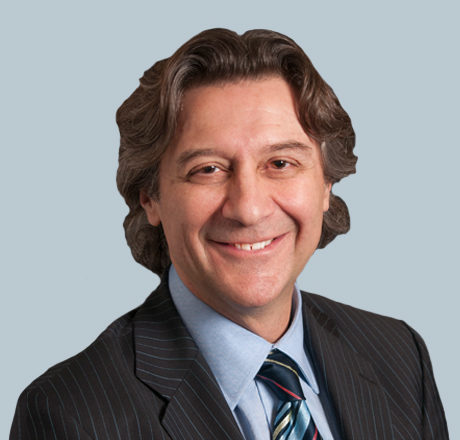
In this podcast repost, we rediscover the work of Pediatric Gastroenterologist Dr. Alessio Fasano from the Massachusettes General Hospital Department of Pediatric Gastroenterology. In this conversation, we discussed the research on Intestinal Permeability, Microbiomes and MIS, Multi Inflammatory Syndrome in Children .
Dr. Fasano also directs the Mucosal Immunology and Biology Research Center and is associate chief for Basic, Clinical and Translational Research. Under his leadership, investigators are studying the molecular mechanisms of autoimmune disorders including celiac disease, and other-gluten-related disorders. He has been named visiting professor of pediatrics at Harvard Medical School. He authored the groundbreaking study in 2003 that established the rate of celiac disease at one in 133 Americans. Widely sought after by national and international media, Dr. Fasano has been featured in hundreds of interviews including outlets such as The New York Times, The Wall Street Journal; National Public Radio; CNN; Bloomberg News, and others.
He recently co authored an excellent book with Susie Flaherty called Gut Feelings. I highly recommend you purchase and read this book. It is an encyclopedia of information regarding gut health, the microbiome and much more.
Enjoy my conversation with Dr. Fasano,
Dr. M

Dr. M’s SPA Newsletter Volume 16 Issue 18 – Autism and Microbiomes

Autism and Diagnosis

Metabolites and Phenotypes

In a brand new paper entitled. “Elevated Microbially-Derived Metabolites in Autism: A Possible Diagnostic Screening Test for a Distinct ASD Phenotype,” Dr. Flynn and colleagues investigated whether specific urinary metabolites produced by intestinal microbes could serve as predictive biomarkers for autism spectrum disorder. The study proposes that a large subset of children with autism may represent a biologically distinct phenotype characterized by markedly elevated microbial metabolites, which the authors term ASD-MDM (Autism Spectrum Disorder associated with Microbially-Derived Metabolites).

The investigators analyzed urine samples from 52 children with ASD and 47 typically developing (TD) controls, ages 2–11 years. They measured microbial metabolites derived primarily from phenylalanine metabolism, tryptophan metabolism, and yeast metabolism. These were chosen because decades of autism, microbiome, and metabolic research have repeatedly implicated abnormalities in microbial metabolism of aromatic amino acids, especially phenylalanine and tryptophan, along with evidence of elevated fungal/yeast metabolites in subsets of children with ASD.

The findings were striking. Children with ASD demonstrated significantly higher concentrations of many microbial metabolites than controls. Some metabolites were elevated by hundreds to thousands of percent, and in certain children concentrations were reported to be 100–1000 times higher than the highest levels observed in any control participant. Twenty-three of twenty-four measured microbial metabolites were higher in ASD participants. Ninety percent of the ASD participants (45 of 50) had one or more extremely elevated MDMs. Particularly notable were elevations in compounds related to p-cresol, p-cresol sulfate, phenylacetylglutamine, indole derivatives, and arabinitol, suggesting abnormalities in microbial metabolism involving aromatic amino acids and yeast overgrowth…. Also, Inflammation and Allergy.

Enjoy,
Dr. M

Dr. M’s Women and Children First Podcast #113: Navaz Habib, DC – Vagal Action and Health


Welcome back to Dr. M’s Women and Children First.

Today, we are joined by one of the leading voices in the world of vagus nerve health, functional medicine, and autonomic nervous system regulation, Dr. Navaz Habib.

Dr. Habib is a chiropractor, educator, international speaker, and author of the bestselling books *Activate Your Vagus Nerve* and *Upgrade Your Vagus Nerve*. His work has helped bring the science of the vagus nerve from the research world into practical clinical medicine, helping providers and patients better understand the powerful connection between the brain, immune system, gut, metabolism, and overall health.

On today’s episode, we take a pediatric lens to this fascinating topic. We explore how vagal tone influences inflammation, stress resilience, digestion, sleep, emotional regulation, and neurodevelopment. We discuss what happens when the autonomic nervous system becomes dysregulated, how chronic stress can shape a child’s physiology, and why the vagus nerve may be one of the most important communication highways in the body.

We’ll also dive into practical strategies that families and clinicians can use to support vagal function, including breathing techniques, movement, nutrition, social connection, sleep, and other evidence-informed interventions that can help children build greater resilience in an increasingly stressful world.

If you’ve ever wondered how the nervous system intersects with immune health, behavior, gut function, and chronic disease risk, this conversation is for you.

Please join me in welcoming Dr. Navaz Habib.

Dr. M

Dr. M’s Women and Children First Podcast #103: Sam Yanuck, DC – Cogence

Today on Dr. M’s Women and Children First, we’re joined by Dr. Sam Yanuck, a clinician-educator who has spent more than three decades translating immunology from the bench to the bedside. Dr. Yanuck has been in private practice since 1992 and is the creator of Cogence Immunology, one of the most widely respected functional immunology training programs in the world. Through Cogence, he has trained over 9,900 clinicians internationally to think mechanistically about immune signaling, chronic inflammation, autoimmunity, and the complex, often nonlinear patterns that define chronic disease.

What sets Dr. Yanuck apart is his insistence on precision. His work focuses on understanding the immune system as a dynamic network—one shaped by timing, context, feedback loops, and individual biology—rather than a collection of isolated lab values or diagnoses. In his clinical model, chronic illness is not random; it reflects an identifiable matrix of immune, metabolic, environmental, and regulatory factors that can be mapped, understood, and addressed.

In today’s conversation, we’ll explore how modern immunology reshapes clinical thinking around autoimmunity, chronic inflammatory disease, and long-term health—especially in complex patients where standard frameworks fall short.
This is a deep dive. If you care about mechanism, signal over noise, and treating patients with both scientific rigor and biological humility, this episode is for you.

Today, we’re stepping outside the sterile lab and into the wild world of evolutionary biology — where our immune system didn’t emerge in a vacuum, but in dirt, in danger, and in the delicate dance between microbe and mammal.

Join me and Dr. Sam Yanuck -the clinician, the teacher, and one of the best translators of complex immunology into something both clinically useful and biologically beautiful.

Dr. M

Dr. M’s SPA Newsletter Volume 15 Issue 27 – Immune Aging

The Evolutionary Tug-of-War – Inflammation’s Double-Edged Sword

“Environmental factors, particularly infections, have fundamentally shaped human evolution by selecting for protective inflammatory response mechanisms that enhance survival. This evolutionary pressure has created a core biological paradox: inflammation is indispensable for host defense, yet its dysregulation significantly heightens disease and mortality risk. This fundamental tension raises three fundamental questions about human aging and immunity: (1) How have selective pressures driven the evolution of mechanisms to balance inflammation’s protective benefits against its harmful consequences? (2) Why does substantial variability in healthspan persist despite historically stable rates of aging? (3) Does evolutionary prioritization of reproductive fitness inherently limit longevity?” (Manoharan et. al. 2025)

Let’s talk about the fire inside us. Inflammation is our body’s 911 system: lightning-fast, life-saving when a bug invades or a thorn rips skin. But leave that alarm blaring 24/7 and the fire torches the house.

Evolution faced this paradox: crank the immune dial high enough to survive infection and childbirth, yet install brakes so we don’t self-destruct by 40. Manoharan’s team just mapped those brakes in 17,500 humans and called it immune resilience (IR) or the ability to fight hard, clean up fast, and stay cool afterward… and linguistic aging associations…

Dr. M

Dr. M’s SPA Newsletter Volume 15 Issue 17

Inflammaging from a Population View

In a landmark study published in Nature Aging on July 7, 2025, researchers challenge a cornerstone of modern gerontology by showing that inflammaging, chronic, age-associated low-grade inflammation, is not universal across all human populations. The abstract states the following: “Inflammaging, an age-associated increase in chronic inflammation, is considered a hallmark of aging. However, there is no consensus approach to measuring inflammaging based on circulating cytokines. Here we assessed whether an inflammaging axis detected in the Italian InCHIANTI dataset comprising 19 cytokines could be generalized to a different industrialized population (Singapore Longitudinal Aging Study) or to two indigenous, nonindustrialized populations: the Tsimane from the Bolivian Amazon and the Orang Asli from Peninsular Malaysia.

We assessed cytokine axis structure similarity and whether the inflammaging axis replicating the InCHIANTI result increased with age or was associated with health outcomes. The Singapore Longitudinal Aging Study was similar to InCHIANTI except for IL-6 and IL-1RA. The Tsimane and Orang Asli showed markedly different axis structures with little to no association with age and no association with age-related diseases. Inflammaging, as measured in this manner in these cohorts, thus appears to be largely a byproduct of industrialized lifestyles, with major variation across environments and populations.” (Franck et. al. 2025)

The research team analyzed 19 cytokines in over 2,800 individuals from four diverse populations: two industrialized cohorts: Italy’s InCHIANTI and the Singapore Longitudinal Aging Study (SLAS); two non-industrialized, Indigenous groups: the Tsimane of the Bolivian Amazon and the Orang Asli of Peninsular Malaysia.

In Italy and Singapore, the industrialized regions noted classic inflammaging signatures with inflammatory markers like IL‑6, TNF-α, and CRP increased with age, and correlated strongly with age-related chronic diseases such as cardiovascular and kidney disease….. and more on inflammaging…

Dr. M

1 2 … 6