Podcast: Play in new window | Download
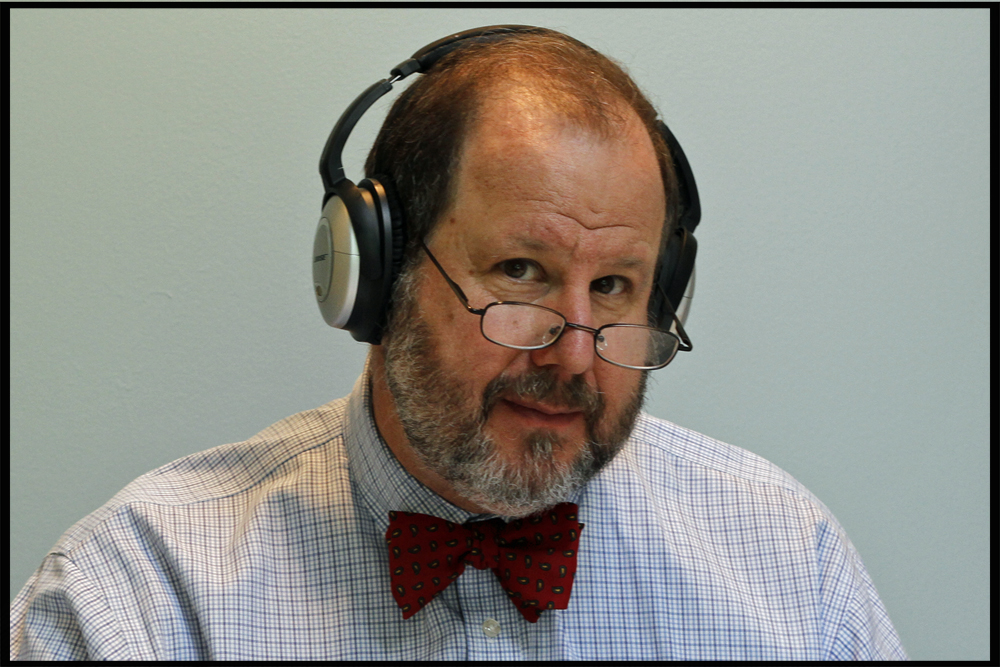
This week I sit down with Dr. Stephen Porges, a Distinguished University Scientist at Indiana University where he is the founding director of the Traumatic Stress Research Consortium. He is Professor of Psychiatry at the University of North Carolina, and Professor Emeritus at both the University of Illinois at Chicago and the University of Maryland.
He served as president of the Society for Psychophysiological Research and the Federation of Associations in Behavioral & Brain Sciences and is a former recipient of a National Institute of Mental Health Research Scientist Development Award. He has published more than 400 peer-reviewed papers across several disciplines including anesthesiology, biomedical engineering, critical care medicine, ergonomics, exercise physiology, gerontology, neurology, neuroscience, obstetrics, pediatrics, psychiatry, psychology, psychometrics, space medicine, and substance abuse. In 1994 he proposed the Polyvagal Theory, a theory that links the evolution of the mammalian autonomic nervous system to social behavior and emphasizes the importance of physiological state in the expression of behavioral problems and psychiatric disorders. The theory is leading to innovative treatments based on insights into the mechanisms mediating symptoms observed in several behavioral, psychiatric, and physical disorders.
He is the author of multiple books on his Polyvagal Theory: including the Neurophysiological foundations of Emotions, Attachment, Communication, and Self-regulation, as well as Polyvagal Safety: Attachment, Communication, Self-Regulation. His newest book cowritten with his son is called Our Polyvagal World, How Safety and Trauma Change Us. Dr. Porges is the creator of a music-based intervention, the Safe and Sound Protocol ™ (SSP), which is used by therapists to improve social engagement, language processing, and state regulation, as well as to reduce hearing sensitivities.
This is such a fascinating conversation. He brings the worlds of psychiatry and anthropological physiology into union for us to understand the why of trauma reactions and the future unwinding that is now possible. This is a must listen to conversation if you know anyone with trauma history.
Please enjoy my conversation with Professor Porges,
Dr. M