neonatology

Dr. M’s SPA Newsletter Volume 15 Issue 26 – Back To Sleep

Back to Sleep and Sudden Infant Death Syndrome (SIDS)

Sudden Infant Death Syndrome (SIDS) is defined as “the sudden death of an infant under one year of age which remains unexplained after a thorough case investigation, including a complete autopsy, examination of the death scene, and review of the clinical history.”

During my time at the University of Virginia, I trained under neonatologist Dr. John Kattwinkel, a champion for newborn health and one of the leading figures in shaping national safe sleep policies. In the early 1990s, he chaired the American Academy of Pediatrics (AAP) Task Force on Infant Sleep Position and SIDS, which laid the foundation for the landmark Back to Sleep campaign.

At that time, SIDS claimed roughly 14 infants per 10,000 live births in 1988. Following the campaign’s launch in 1994, the rate plummeted by over 60%, reaching about 5 deaths per 10,000 live births by 2006. Despite this dramatic improvement, recent data suggest that the decline has plateaued…..

Dr. M

Dr. M’s SPA Newsletter Volume 15 Issue 22/23/24 – Acetaminophen and Autism

Review Part III – after the Attia Podcast

After completing the interview with Dr. William Parker and now listening to Peter Attia’s analysis, let us look again at this question. I repeat that the initial question has not changed for me. The first and most fundamental question to ask is this: What is the true value of acetaminophen in health compared with the potential risk if the associated findings are indeed correct?

My response to this question has been altered by the analysis so far.

I love this from Dr. Attia: “Some people might be wondering, why did you just take so long to explain all this to us? Why don’t you just give us the answer? I just want the sound bite, man

Peter’s reply, “If you just want sound bites, you’re never going to learn.”

Honestly, if you just want sound bites, this isn’t the podcast for you. But if you actually want to be able to learn to think for yourself, then that’s what we’re here to do. And that’s the reason we killed ourselves over the past week to put together the most thorough gathering of all the data we could find and the most intense night-weekend analysis possible. “

I agree! I believe that the science and data are key. So here goes – round three!…..

Dr. M


Dr. M’s SPA Newsletter Volume 15 Issue 18

Breastmilk is Dynamic

Cellular and transcriptional diversity over the course of human lactation

This recent 2022 paper in the Proceedings of the National Academy of Sciences by Dr. Nyqiust and colleagues is a site for sore eyes.

It offers a remarkable, high-resolution portrait of how the cellular landscape of human breast milk (hBM) shifts over time. The authors capture something both scientifically rich and uniquely human: the dynamic, living composition of milk as it adapts to the changing needs of mother and child.

The abstract: “Human breast milk is a dynamic fluid that contains millions of cells, but their identities and phenotypic properties are poorly understood. We generated and analyzed single-cell RNA-sequencing (scRNA-seq) data to characterize the transcriptomes of cells from hBM across lactational time from 3 to 632 d postpartum in 15 donors. We found that the majority of cells in hBM are lactocytes, a specialized epithelial subset, and that cell-type frequencies shift over the course of lactation, yielding greater epithelial diversity at later points. Analysis of lactocytes reveals a continuum of cell states characterized by transcriptional changes in hormone-, growth factor-, and milk production-related pathways. Generalized additive models suggest that one subcluster, LC1 epithelial cells, increases as a function of time postpartum, daycare attendance, and the use of hormonal birth control. We identify several subclusters of macrophages in hBM that are enriched for tolerogenic functions, possibly playing a role in protecting the mammary gland during lactation. Our description of the cellular components of breast milk, their association with maternal–infant dyad metadata, and our quantification of alterations at the gene and pathway levels provide a detailed longitudinal picture of hBM cells across lactational time. This work paves the way for future investigations of how a potential division of cellular labor and differential hormone regulation might be leveraged therapeutically to support healthy lactation and potentially aid in milk production.” (Nyquist et. al. 2022)

And more information on breastmilk immunology and a recipe.

Dr. M

Dr. M’s Women and Children First Podcast #94 – Melinda Elliott, MD – Feeding the Infants

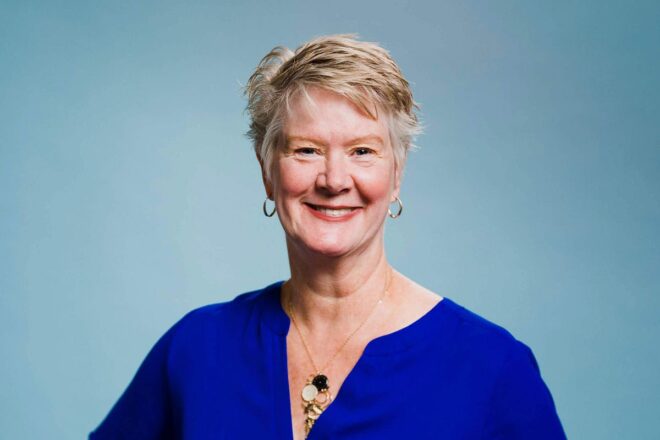
Today, we explore the intersections of cutting-edge science, compassionate care, and the future of pediatric and maternal health with Dr. Melinda Elliott, MD, FAAP, a leading neonatologist and the Chief Medical Officer at Prolacta Bioscience. Dr. Elliott has dedicated her career to advancing the care of our most vulnerable patients, premature and medically fragile infants, through both clinical excellence and research-driven innovation.

Dr. Elliott earned her medical degree from West Virginia University School of Medicine. She went on to complete her residency in pediatrics and her fellowship in neonatal-perinatal medicine at the University of Florida, where she also served as chief resident and a faculty member, helping to train the next generation of pediatricians and neonatologists.

Throughout her clinical and leadership career, Dr. Elliott has been deeply involved in advancing evidence-based care in the NICU, improving nutritional strategies for preterm infants, and advocating for human milk as a therapeutic intervention in neonatal health. Her work with Prolacta Bioscience supports NICUs around the globe in providing 100% human milk–based nutrition to reduce complications such as necrotizing enterocolitis (NEC), a devastating condition that disproportionately affects preterm infants.

Please join me in welcoming Dr. Melinda Elliott, a champion for babies and a voice for innovation in neonatal medicine.

Dr. M