
Pharmacy

Dr. M’s Women and Children First Podcast #107: Sundeep Dugar, PhD – Drug Discovery


On today’s episode of Dr. M’s Women and Children First Podcast, we welcome a scientist whose work has quietly shaped the cardiovascular health of millions around the world.

Dr. Sundeep Dugar is a pharmaceutical innovator, inventor, and industry leader with more than three decades at the forefront of drug discovery. He is best known as a co-inventor of ezetimibe — marketed as Zetia® — a landmark cholesterol-lowering medication that transformed lipid management by targeting intestinal cholesterol absorption. He also co-inventor of the combination therapy Vytorin® (ezetimibe plus simvastatin), expanding treatment options for patients at high cardiovascular risk. For this groundbreaking work, Dr. Dugar and his colleagues received the prestigious 2005 National Inventor of the Year Award from the Intellectual Property Owners Association and the Heroes of Chemistry award from the American Chemical Society. Across his career, Dr. Dugar has contributed to more than 140 patents and has authored over 70 scientific publications, reflecting a lifetime devoted to translating chemistry into real-world therapies.

He is currently the founder of Aayam Therapeutics, where he leads efforts to develop innovative, accessible medicines through collaborative global research. He also serves as Co-Chief Executive Officer of Blue Oak Nutraceuticals, advancing a novel mitochondrial-targeted compound known as Mitokatlyst™, designed to stimulate mitochondrial biogenesis and cellular energy — with potential implications for muscle strength, metabolic health, cardiovascular function, and inflammation. He is the first one to decipher the mechanism by which exercise induces mitochondria levels. Mitokatlyst mechanism of action mimics this process.

Dr. Dugar’s scientific journey spans continents and some of the world’s premier institutions. He earned both his Bachelor’s and Master’s degrees in Organic Chemistry from the University of Delhi, completed his PhD in Chemistry at the University of California, Davis, and pursued postdoctoral research at ETH Zürich in Switzerland and at Cornell University.
Today, we’ll explore the story behind major pharmaceutical breakthroughs, the science of mitochondrial health, and what the future of therapeutics may look like when innovation meets global accessibility.

Please join me in welcoming Dr. Sundeep Dugar.
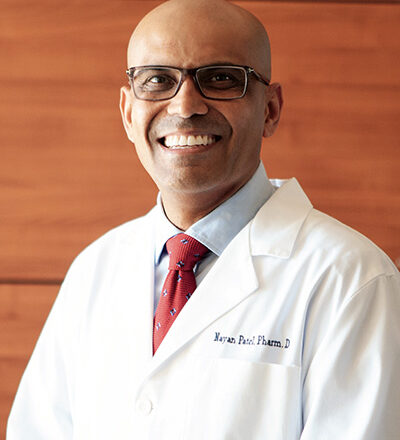
Dr. M’s Women and Children First Podcast #106: Nayan Patel, PharmD – Glutathione


Welcome back to Dr. M’s Women and Children Firsts Podcast. Today’s conversation sits at the crossroads of chemistry, skepticism, and clinical innovation.

Our guest is Nayan Patel, a pharmacist with more than three decades inside the world of drug formulation and delivery. He is an alumnus of the University of Southern California School of Pharmacy, where he now serves as adjunct faculty, teaching advanced biochemistry and compounding science. Over the years, he has become an international educator on one molecule that refuses to stay quiet: glutathione.

Dr. Patel is the founder of Auro Wellness, launched in 2011 with a specific mission—stabilize glutathione and solve its delivery problem. His work led to the development of the Auro GSH™ Antioxidant Delivery System, a topical approach designed to improve absorption of this notoriously fragile molecule. He is also the author of The Glutathione Revolution, a deep dive into how glutathione influences detoxification, aging, energy production, and immune resilience.

If you’ve spent time in integrative medicine, you’ve heard glutathione called the “master antioxidant.” That phrase can sound like marketing, but the biology is real. Glutathione is a three–amino acid peptide central to redox balance, mitochondrial function, immune signaling, and cellular survival. It does not just neutralize oxidative stress; it regulates how cells respond to it.

The challenge is delivery. Oral glutathione is largely broken down in the gut. IV glutathione works, but it’s impractical for most families. Precursors like NAC depend on intact metabolic pathways that may not be operating optimally in states of chronic stress or inflammation.
Dr. Patel asked a disruptive question: what if the bottleneck isn’t production—but delivery?

Today we unpack the science and the skepticism around transdermal glutathione. Can a molecule like this meaningfully cross the skin barrier? What does stabilization actually require? And how does independent pharmaceutical innovation differ from traditional drug development pathways, which are often constrained by economics as much as biology?

For those of us caring for women and children—where oxidative stress, immune dysregulation, mitochondrial strain, and toxic burden intersect in everything from complicated pregnancies to neurodevelopmental challenges—this conversation matters. Not as a silver bullet. Not as a miracle spray. But as an exploration of foundational physiology and thoughtful delivery science.

This is a discussion about how molecules move, how systems adapt, and how asking better questions can reshape clinical practice.
Let’s dive in.

Dr. M

Auro Wellness