
Podcast: Play in new window | Download
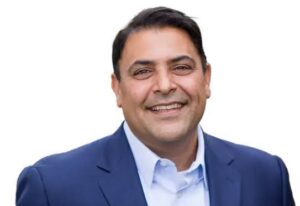
Today, I have the pleasure of welcoming one of the most accomplished educators, researchers, and clinical thinkers in functional and integrative medicine, Dr. Datis Kharrazian.
Datis has an extraordinary educational pedigree. He holds a PhD in Health Sciences with concentrations in immunology and toxicology, a Doctor of Health Science degree, a master’s degree in Human Nutrition, and a Doctor of Chiropractic degree. He also earned a Master of Medical Sciences in Clinical Investigation from Harvard Medical School, where he completed postdoctoral research training, including work in the Department of Neurology at Massachusetts General Hospital.
He serves as an Associate Clinical Professor at Loma Linda University School of Medicine and has devoted much of his career to understanding the complex relationships between the immune system, the brain, the environment, and chronic disease.
He has two bestselling books, Why Do I Still Have Thyroid Symptoms When My Lab Tests Are Normal? and Why Isn’t My Brain Working? Both helped introduce a generation of clinicians and patients to a more comprehensive understanding of autoimmune disease and neurological health.
But perhaps one of his greatest contributions has been his commitment to educating other healthcare professionals. Through the Kharrazian Institute, he has helped train thousands of clinicians around the world, translating complex scientific literature into practical clinical frameworks.
That mission continues to expand through advanced functional medicine certification programs, clinical mentorship, specialized courses, and innovative educational initiatives designed to help clinicians better understand and treat complex chronic illness.
On this podcast, we spend a great deal of time exploring the origins and biological realities of autoimmunity, immunometabolism, neuroinflammation, and the upstream drivers of chronic disease. We continually return to a central question: Why is chronic disease developing in the first place, and what are we missing when we focus only on treating its downstream symptoms?
But understanding the science is only half the challenge. The other half is translating that knowledge into meaningful clinical practice.
And that is where Datis has made such an important contribution.
How do we take our growing understanding of complex biological mechanisms, the interplay between immune activation, metabolic dysfunction, environmental exposures, and neurological health, and teach clinicians to recognize these patterns, connect the dots, and apply that knowledge effectively to improve patient outcomes?
Today, we’ll explore that intersection of science, education, and clinical practice, discuss the exciting work underway at the Kharrazian Institute, and consider what the next generation of functional medicine education might look like.
Enjoy,
Dr. M